
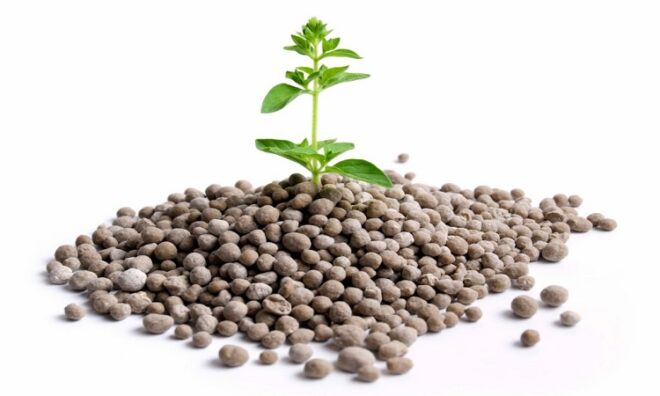
United States Fertilizer Additives Market is driven by rising additive use, growing population, and increasing food demand during 2026-2030.
According to the TechSci Research report, “United States Fertilizer Additives Market – By Region, Competition, Forecast & Opportunities, 2020-2030F”, the United States Fertilizer Additives Market was valued at USD 856.61 million in 2024 and is expected to reach USD 1,087.79 million by 2030, growing at a CAGR of 4.02% during the forecast period.
Fertilizer additives—chemical compounds or materials integrated into fertilizers—play a pivotal role in modern agriculture. These additives enhance fertilizer performance, increase nutrient efficiency, improve crop yields, and reduce environmental impacts. With the global population projected to reach 9 billion by 2050, optimizing nutrient delivery to crops is more critical than ever, making fertilizer additives a key tool in meeting growing food demand.
Drivers of Market Growth
Several factors are propelling the United States Fertilizer Additives Market:
- Increasing Food Demand: Rising population levels necessitate higher crop yields. Fertilizer additives ensure plants receive essential nutrients, maximizing productivity.
- Sustainable Agriculture: Additives reduce nutrient runoff and leaching, mitigating environmental contamination while promoting responsible farming practices.
- Technological Integration: Precision agriculture, enabled by GPS, remote sensing, and data analytics, relies on additives to deliver nutrients accurately according to soil and crop requirements.
- Cost Efficiency: By enhancing nutrient absorption, additives lower overall fertilizer use, reducing costs and boosting farm profitability.
- Crop Diversification: Specialty crops, fruits, and vegetables have unique nutrient needs. Fertilizer additives provide tailored solutions, broadening market applicability.
These factors collectively drive adoption across the United States, reinforcing the importance of additives in both traditional and modern agricultural practices.
Role of Fertilizer Additives in Sustainable Agriculture
Sustainability is at the forefront of U.S. agricultural priorities. Fertilizer additives contribute by:
- Improving Nutrient Retention: Ensuring that plants absorb a higher proportion of applied nutrients.
- Reducing Environmental Impact: Minimizing runoff into waterways, protecting aquatic ecosystems.
- Enhancing Soil Health: Promoting long-term fertility while lowering reliance on excessive chemical inputs.
By aligning with environmental standards and sustainability goals, fertilizer additives are integral to responsible agricultural production.
Market Segmentation: Function and End-Product
The United States Fertilizer Additives Market is segmented into function, end-product, regional distribution, and company presence.
End-Product Insights
- Urea Segment Growth: Urea-based fertilizers dominate the market as they are widely used across cereals, grains, oilseeds, and other crops.
- Nitrogen Content Advantage: With approximately 46% nitrogen content, urea meets critical nutrient requirements efficiently.
- Additive Necessity: Urea’s hygroscopic nature makes it prone to clumping, creating demand for anti-caking agents, dust suppressants, and stabilizers. These additives ensure consistent nutrient delivery and ease of handling.
The urea segment’s widespread adoption underscores the critical role of additives in maintaining fertilizer quality and effectiveness.
Browse over XX market data Figures spread through XX Pages and an in-depth TOC on “United States Fertilizer Additives Market”
https://www.techsciresearch.com/report/united-states-fertilizer-additives-market/18872.html
Regional Insights: The Southern United States
The Southern United States has emerged as the second-largest regional market for fertilizer additives, driven by:
- Diverse Agriculture: The region cultivates cotton, soybeans, corn, rice, peanuts, and other crops, requiring varied nutrient solutions.
- Climate Challenges: Warm, humid conditions increase the risk of fertilizer caking and nutrient loss, making anti-caking and hydrophobic additives essential.
- Row Crop Dominance: Cotton and soybeans require high nutrient inputs, further fueling additive demand.
Additives in the Southern region enhance fertilizer performance by preventing caking, reducing dust, inhibiting corrosion, and ensuring uniform application, supporting higher yields and farm efficiency.
Market Dynamics in the South
The Southern U.S. presents a mix of large-scale commercial farms and smaller family-owned operations, shaping additive adoption:
- Large Farms: Invest in advanced additive technologies to optimize efficiency and yield.
- Smaller Farms: Focus on cost-effective additive solutions to improve fertilizer performance without significant capital outlay.
Additionally, the region benefits from a robust agricultural extension network, which educates farmers on additive benefits and usage. Major transportation networks, including Gulf and Atlantic ports, facilitate efficient import, distribution, and competitive pricing of additives, ensuring reliable availability for farmers.
Technological Advancements and Market Innovation
Fertilizer additives are increasingly integrated with precision agriculture technologies, enabling:
- Targeted Nutrient Delivery: Customizing formulations to specific soil and crop needs.
- Enhanced Efficiency: Maximizing absorption while reducing fertilizer wastage.
- Data-Driven Farming: Leveraging analytics to improve productivity and sustainability.
Innovations in additive chemistry, including anti-caking agents, stabilizers, and controlled-release technologies, are expanding their utility across crops and regions.
Future Outlook
The United States Fertilizer Additives Market is poised for steady growth through 2030, supported by:
- Rising food demand and population growth
- Sustainability and environmental compliance
- Increased adoption of precision agriculture
- Diversification into specialty crops requiring customized nutrient solutions
As farmers and agribusinesses focus on maximizing yields while reducing environmental impacts, fertilizer additives will remain integral to modern agricultural practices.
Conclusion
The United States Fertilizer Additives Market represents a dynamic intersection of technology, sustainability, and agricultural productivity.
From anti-caking agents in urea fertilizers to stabilizers for high-value crops, additives improve nutrient delivery, boost crop yield, and support eco-friendly farming. Regional adoption, particularly in the Southern U.S., highlights the market’s responsiveness to climate, crop diversity, and farm scale.
With technological innovation, regulatory support, and rising awareness of sustainable practices, the market is well-positioned to grow, offering opportunities for investors, manufacturers, and farmers. Fertilizer additives are no longer optional—they are essential tools in the evolution of U.S. agriculture.
Major companies operating in United States Fertilizer Additives Market are:
Corteva, Inc.
Clariant Corporation
Solvay Chemicals, Inc.
CF Industries Holdings, Inc.
Yara North America, Inc.
Koch Fertilizer, LLC
Yara North America, Inc.
PowerRich Fertilizer Inc.
The Archer-Daniels-Midland Company
Knox Fertilizer Company, Inc.
Download Free Sample Report
https://www.techsciresearch.com/sample-report.aspx?cid=18872
Customers can also request for 10% free customization on this report
“The future of the United States fertilizer additives market is poised for steady growth, driven by increasing demand for enhanced agricultural productivity and sustainable farming practices. Rising concerns over soil health, nutrient efficiency, and environmental impact will boost the adoption of additives such as anti-caking agents, corrosion inhibitors, and slow-release coatings. Innovations in bio-based and eco-friendly additives will gain traction, aligning with regulatory policies and sustainability goals. Precision agriculture and advanced fertilizer technologies will further propel market expansion.
Additionally, fluctuations in raw material prices and evolving government regulations will influence market dynamics. As farmers seek cost-effective and efficient solutions, the fertilizer additives market is expected to witness continued innovation and increased investment in research and development.said Mr. Karan Chechi, Research Director of TechSci Research, a research-based management consulting firm.
“United States Fertilizer Additives Market By Function (Corrosion Inhibitors, Hydrophobic Agents, Anti-dusting Agents, Anti-caking Agent, Slow-Release Coatings, Others), By End-Product (Urea, Ammonium Nitrate, Ammonium Phosphate, Ammonium Sulphate, Others), By Region, Competition, Forecast & Opportunities, 2020-2030F”, has evaluated the future growth potential of United States Fertilizer Additives Market and provides statistics & information on market size, structure and future market growth. The report intends to provide cutting-edge market intelligence and help decision makers take sound investment decisions. Besides, the report also identifies and analyzes the emerging trends along with essential drivers, challenges, and opportunities in United States Fertilizer Additives Market.
Contact
TechSci Research LLC
420 Lexington Avenue, Suite 300,
New York, United States- 10170
Tel: +1-332-258-6602
Email: sales@techsciresearch.com
Website: www.techsciresearch.com