New Zealand Residential Dehumidifier Market Expansion: Key Factors Fueling the 2.62% CAGR Rise

According to TechSci Research report, “New Zealand Residential Dehumidifier Market – By Region, Competition, Forecast & Opportunities, 2030F”, the New Zealand Residential Dehumidifier market stood at USD 38.15 Million in 2024 and is anticipated to grow USD 44.56 Million by 2030 with a CAGR 2.62% during forecast period. The New Zealand Residential Dehumidifier market is driven by… Read More: New Zealand Residential Dehumidifier Market Expansion: Key Factors Fueling the… »

Commercial Pumps Market Grows with Infrastructure Investment Trends

Commercial Pumps Market is growing due to urbanization, infrastructure growth, and rising demand for energy-efficient pumps during the 2026–2030 forecast period. According to a recent report by TechSci Research, the Global Commercial Pumps Market was valued at USD 45.2 billion in 2024 and is projected to reach USD 62.2 billion by 2030, growing at a CAGR of 5.3% during the forecast period. The market’s expansion is being driven by a convergence of factors, including increased infrastructure development, rapid urbanization, rising energy demands, and the growing need for sustainable and energy-efficient water management solutions. One of the primary growth drivers is the oil and gas sector, where ongoing exploration and production activities are demanding high-performance pumps for use in drilling, refining, and transport operations. As global energy consumption continues to rise, the requirement for robust and reliable pumping systems within the oil and gas industry remains strong. These systems are essential for maintaining smooth operations and meeting both environmental standards and performance expectations. At the same time, emerging economies across Asia, the Middle East, and Latin America are undergoing rapid urbanization and industrialization. This growth is leading to increased construction of commercial infrastructure, such as office complexes, malls, hotels, and hospitals—all of which require efficient HVAC (heating, ventilation, and air conditioning), water supply, and wastewater treatment systems. These commercial and industrial facilities rely heavily on various types of pumps to maintain smooth operation, further fueling market growth. Digital transformation and automation are also shaping the commercial pumps market. Industries across the globe are adopting automation to enhance efficiency, reduce labor costs, and improve operational control. Smart pumps equipped with sensors and Internet of Things (IoT) capabilities are gaining traction as they allow for remote monitoring, predictive maintenance, and performance optimization. This technology-driven shift is expected to become a major growth catalyst over the next decade. In addition, government investments in public infrastructure, especially in water and wastewater treatment plants, are significantly contributing to market expansion. With growing awareness of environmental degradation and water scarcity, several countries are allocating substantial budgets for upgrading their water management infrastructure. These initiatives are increasing the demand for high-efficiency, durable, and low-maintenance commercial pumping systems. Another crucial factor driving the market is the global emphasis on water conservation and sustainable resource management, particularly in sectors like agriculture, manufacturing, and commercial real estate. The adoption of energy-efficient pumps is becoming a key strategy for reducing operating costs and minimizing environmental impact. Businesses and municipalities alike are seeking to modernize their systems with greener technologies, which bodes well for the future of the commercial pumps market. Product Insights: Seal-less & Circulator Pumps Lead the Market Based on pump type, the Seal-less & Circulator Pumps segment held the dominant market share in 2024 and is expected to retain its leadership through 2030. These pumps are recognized for their high reliability, minimal maintenance needs, and superior energy efficiency, making them particularly well-suited for a range of commercial applications, including water treatment, HVAC, and chemical processing. Unlike conventional pumps, seal-less pumps are designed without mechanical seals, thereby eliminating common problems such as leakage and wear. This design enhances the durability and operational lifespan of the pump, significantly reducing downtime and maintenance costs. These benefits make seal-less pumps an attractive investment for industries where reliability and efficiency are paramount. Browse over XX market data Figures spread through XX Pages and an in-depth TOC on the “Global Commercial Pumps Market”https://www.techsciresearch.com/report/commercial-pumps-market/28647.html Circulator pumps—a subcategory within seal-less pumps—are gaining increasing popularity in commercial heating and cooling systems. These pumps are essential in maintaining the circulation of fluids within HVAC systems, thereby contributing to indoor air quality and thermal comfort in commercial buildings. As green building standards and energy codes become more stringent, the demand for circulator pumps that support energy-efficient climate control is expected to rise. The emphasis on sustainability and environmental compliance is also pushing businesses to adopt seal-less and circulator pumps. These systems often meet or exceed energy efficiency regulations and offer a smaller carbon footprint compared to traditional pumping systems. As environmental regulations tighten worldwide, the adoption of eco-friendly technologies like these is anticipated to surge across multiple industry verticals. Regional Insights: Asia Pacific as the Fastest-Growing Region Regionally, Asia Pacific is emerging as the fastest-growing market for commercial pumps. This growth is driven by expanding urban populations, large-scale infrastructure development, and a thriving industrial base in countries such as China, India, Japan, and several Southeast Asian nations. Rapid industrialization across sectors like construction, manufacturing, agriculture, and water management is creating high demand for pumping solutions. Additionally, the Asia Pacific region is home to some of the world’s largest agricultural economies, where the modernization of irrigation and drainage systems is underway. This shift is increasing the use of automated and energy-efficient pumps in both small-scale and large-scale agricultural operations. Governments in the region are also implementing stringent environmental policies to combat water scarcity and pollution, which in turn is fueling investment in water and wastewater infrastructure. These efforts are directly supporting the adoption of advanced pumping technologies that offer high performance with low energy consumption. Furthermore, the competitive pricing and growing quality standards of pumps manufactured by local companies in Asia Pacific are making modern pumping systems more accessible to a wide range of industries. With continued economic development and supportive government policies, Asia Pacific is set to remain a key growth engine for the global commercial pumps market over the forecast period. In conclusion, the Global Commercial Pumps Market is poised for steady and substantial growth through 2030, driven by technological advancements, expanding infrastructure, environmental concerns, and a global push toward energy efficiency. The ongoing shift toward smart, automated, and sustainable systems ensures that commercial pumps will play a critical role in supporting modern industry and urban development worldwide. Key market players in the Commercial Pumps Market are: – Pentair Inc.Xylem Inc.Grundfos… Read More: Commercial Pumps Market Grows with Infrastructure Investment Trends »


Foliar Spray Market Fueled by Technological Advancements in Farming

Foliar Spray Market growth from 2026–2030 is driven by rising agrochemical use and advances in agricultural technologies. According to the TechSci Research report, “Foliar Spray Market – Global Industry Size, Share, Trends, Competition Forecast & Opportunities, 2030F”, the Global Foliar Spray Market was valued at USD 7.42 billion in 2024 and is projected to grow at a CAGR of 5.53% during the forecast period, reaching new heights by 2030. The growing awareness of efficient nutrient delivery methods and the increasing demand for higher agricultural productivity are driving the market’s expansion. Key Drivers of Market Growth One of the primary growth drivers in the global foliar spray market is the increasing need for efficient and sustainable agricultural practices. Foliar sprays, which involve the direct application of fertilizers, pesticides, and other agrochemicals to plant leaves, have gained prominence due to their ability to ensure rapid and efficient absorption of nutrients. This method bypasses traditional soil-based nutrient uptake, offering faster results and better control over nutrient distribution. The global agricultural landscape is under increasing pressure to produce more food due to population growth and changing dietary preferences. As a result, farmers and agribusinesses are exploring innovative methods to boost crop yield and quality. Foliar spray technology has proven effective in this context, offering enhanced nutrient use efficiency and improved plant health, leading to increased productivity. Technological Advancements in Agriculture The integration of advanced technologies in modern agriculture has significantly accelerated the adoption of foliar spray applications. Innovations such as precision farming, smart irrigation systems, drones, GPS-guided sprayers, and sensor-based monitoring are helping farmers apply foliar sprays with pinpoint accuracy. These technologies allow for targeted delivery of nutrients and protection agents, reducing input costs, minimizing waste, and maximizing effectiveness. Precision farming, in particular, has been instrumental in revolutionizing foliar spray applications. By leveraging real-time data and remote sensing technologies, farmers can identify nutrient deficiencies or pest infestations early and apply the necessary foliar treatments exactly where and when needed. This enhances overall crop performance while reducing the environmental footprint of farming operations. Rapid Nutrient Absorption and Agility Foliar sprays provide an immediate supply of nutrients to plants through leaf absorption, making them a valuable tool in addressing nutrient deficiencies quickly. In an agricultural environment that demands agility and responsiveness to shifting weather conditions, pest outbreaks, and soil variability, foliar sprays enable timely intervention. This prompt action helps prevent potential yield losses and ensures crop health is maintained throughout the growing cycle. The fast-acting nature of foliar sprays also supports modern, high-intensity farming systems that operate on tight schedules and rely on optimized input use. As farmers increasingly adopt data-driven practices to streamline operations, foliar sprays provide the flexibility and precision required to meet productivity targets and adapt to dynamic field conditions. Environmental and Sustainability Benefits The push toward sustainable agriculture is another key factor propelling the growth of the foliar spray market. Compared to conventional soil applications, foliar sprays are more efficient in nutrient delivery, leading to lower overall chemical usage. This not only reduces input costs but also minimizes the environmental impact associated with leaching, runoff, and soil degradation. Governments, regulatory bodies, and consumers around the world are placing greater emphasis on eco-friendly farming methods. Foliar sprays, with their reduced chemical footprint and compatibility with organic and sustainable practices, are gaining favor among environmentally conscious stakeholders. As sustainability becomes a central theme in global agriculture, foliar spray solutions are well-positioned to meet evolving regulatory and market demands. Browse over XX market data Figures spread through XX Pages and an in-depth TOC on “Global Foliar Spray Market”https://www.techsciresearch.com/report/foliar-spray-market/20766.html Market Segmentation Overview The Global Foliar Spray Market is segmented by type, application, form, regional distribution, and company. By Application: Horticultural Crops Lead Growth Among the various application segments, horticultural crops are anticipated to register the fastest growth during the forecast period. This segment includes high-value crops such as fruits, vegetables, and ornamental plants, which require intensive care and frequent nutrient inputs to ensure quality and yield. Horticultural farming often involves dense planting and rapid growth cycles, making efficient nutrient delivery essential. Foliar sprays offer a precise and targeted solution for supplying micronutrients and pesticides directly to the most active parts of the plant. This not only enhances growth and flowering but also improves resistance to pests and diseases. The ability to apply nutrients directly to specific areas like flowers, fruit clusters, or foliage adds to the effectiveness and desirability of foliar sprays for horticultural operations. By Region: Europe to Witness Fastest Growth Geographically, Europe is expected to be the fastest-growing region in the global foliar spray market. The region has been at the forefront of modernizing agricultural practices, embracing precision farming, digital agriculture, and sustainable resource management. European farmers are increasingly adopting smart agriculture tools that support efficient use of fertilizers and crop protection agents, making foliar spray technology an ideal fit. Furthermore, Europe has some of the most stringent environmental regulations regarding agrochemical usage. These regulations are pushing the agricultural sector toward low-impact, sustainable solutions—conditions in which foliar sprays thrive. The region’s focus on food safety, organic farming, and compliance with environmental standards is accelerating the adoption of foliar spray products. Outlook and Future Trends Looking ahead, the foliar spray market is set to benefit from a combination of technological progress, rising global food demand, and policy support for sustainable agriculture. As more farmers recognize the benefits of targeted, efficient crop nutrition and protection methods, foliar sprays are likely to become a standard part of integrated farm management practices. The continued development of innovative formulations, bio-based foliar products, and precision delivery systems will further expand the application scope of foliar sprays across diverse crop types and geographies. With agriculture undergoing a digital transformation and facing increasing pressure to feed a growing population sustainably, the foliar spray market is poised for steady and robust growth through 2030. Major companies operating in Global Foliar Spray Market are: EuroChem Group AGNutriens Ltd.K+S… Read More: Foliar Spray Market Fueled by Technological Advancements in Farming »

Japan Pet Foods Market Report: Key Insights for Investors and Stakeholders

According to TechSci Research report, “Japan Pet Foods Market – By Region, Competition, Forecast & Opportunities, 2030F”, the Japan Pet Foods market stood at USD 501.23 Million in 2024 and is anticipated to grow USD 982.12 Million by 2030 with a CAGR 11.86% during forecast period. The Japan Pet Foods market is driven by rising health awareness… Read More: Japan Pet Foods Market Report: Key Insights for Investors and… »

Sage Essential Oil Market Expansion: Key Factors Fueling the 4.8% CAGR Rise

According to TechSci Research report, “Sage Essential Oil Market – Global Industry Size, Share, Trends, Competition Forecast & Opportunities, 2030F”, the global sage essential oil market was valued at USD 7.83 Billion in 2024 and is expected to reach USD 10.38 Billion by 2030 with a CAGR of 4.8% during the forecast period. The global sage essential oil… Read More: Sage Essential Oil Market Expansion: Key Factors Fueling the 4.8%… »

North America Baby Bottle Market Report: Key Insights for Investors and Stakeholders

According to TechSci Research report, “Baby Bottle Market – North America Industry Size, Share, Trends, Competition Forecast & Opportunities, 2030F”, the North America Baby Bottle market stood at USD 293.41 Million in 2024 and is expected to grow USD 402.34 Million by 2030 with a CAGR of 5.40% during the forecast period. The growth of the North America Baby Bottle market… Read More: North America Baby Bottle Market Report: Key Insights for Investors… »

UAE ICT Market 2029 Breakdown: Key Industry Players and Size Trends

Industry Key Highlights According to TechSci Research report, “UAE ICT Market – By Region, Competition, Forecast and Opportunities, 2019-2029F”, UAE ICT Market was valued at USD 41.36 Billion in 2023 and is expected to grow at a CAGR of 12.27% during the forecast period.This dynamic growth reflects the nation’s strategic focus on becoming a leading digital economy and a global technology powerhouse.… Read More: UAE ICT Market 2029 Breakdown: Key Industry Players and Size… »

Vietnam Semiconductor Market 2030 Breakdown: Key Industry Players and Size Trends

Industry Key Highlights According to TechSci Research report, “Vietnam Semiconductor Market – By Region, Competition Forecast & Opportunities, 2030F, Vietnam Semiconductor Market has valued at USD 18.6 billion in 2024 and is expected to reach USD 28.8 Billion in 2030 and project robust growth in the forecast period with a CAGR of 7.4% through 2030.  This growth is driven by increasing demand from… Read More: Vietnam Semiconductor Market 2030 Breakdown: Key Industry Players and Size… »

North America Car Air Freshener Market: Latest Trends Driving Industry Expansion

According to TechSci Research report, “Car Air Freshener Market – North America Industry Size, Share, Trends, Competition Forecast & Opportunities, 2030F”, the North America Car Air Freshener market stood at USD 983.45 Million in 2024 and is expected to grow USD 1,321.45 Million by 2030 with a CAGR of 5.05% during the forecast period. The growth of the North America Car… Read More: North America Car Air Freshener Market: Latest Trends Driving Industry… »

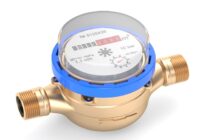
Commercial Smart Water Meter market Driven by Digital Water Solutions

Commercial Smart Water Meter market is growing due to rising water management needs, tech advances, and strict regulatory mandates driving adoption worldwide. According to the latest report by TechSci Research titled “Commercial Smart Water Meter Market – Global Industry Size, Share, Trends, Competition Forecast & Opportunities, 2030F,” the global commercial smart water meter market was valued at USD 2.56 billion in 2024. The market is projected to grow at a robust CAGR of 15.28% and reach USD 6.06 billion by 2030. This surge in demand is primarily driven by increasing regulatory requirements, technological advancements, and the growing emphasis on efficient water resource management across commercial sectors. Drivers of Market Growth Governments across the globe are introducing stricter regulations and water conservation mandates to address the growing challenges of water scarcity and inefficient resource use. These regulatory pressures are pushing both public and private sectors to adopt smarter solutions for water monitoring and management. Commercial smart water meters, with their ability to provide precise, real-time data on consumption, are emerging as a critical tool in this transformation. The benefits of these smart devices go far beyond compliance. By enabling real-time leak detection, more accurate billing, and usage analytics, commercial smart water meters improve operational efficiency for both utility providers and end users. Businesses can optimize water usage, reduce waste, and lower operating costs, while utilities can streamline maintenance and billing systems. Integration of IoT and Advanced Technologies The integration of smart meters with Internet of Things (IoT) technologies is revolutionizing the commercial water metering landscape. IoT-enabled smart meters allow for remote monitoring and data transmission, eliminating the need for manual meter readings and enabling predictive maintenance. These smart systems also provide detailed insights into consumption trends, helping utilities and businesses forecast demand, prevent system overloads, and optimize water distribution infrastructure. As the cost of sensors and wireless communication technologies like LoRaWAN and NB-IoT continues to decrease, the commercial viability of smart meters is becoming more widespread. This affordability, combined with the growing digital transformation in the utilities sector, is fostering widespread adoption of smart metering solutions in commercial applications such as retail, hospitality, and manufacturing. Rise of Smart Cities and Sustainability Goals The global push toward smart city development is a significant tailwind for the commercial smart water meter market. Smart cities prioritize the use of connected technologies to enhance urban management, and smart water metering is a crucial component of these systems. In such settings, commercial smart meters not only help manage water usage but also contribute to broader sustainability goals by supporting energy efficiency, reducing carbon footprints, and encouraging environmentally conscious practices. The growing focus on sustainability among businesses and institutions is also influencing market dynamics. As organizations seek to meet ESG (Environmental, Social, and Governance) goals and align with green building standards, smart water meters offer a practical solution. Their real-time monitoring capabilities support efficient water usage, reduce utility expenses, and help maintain environmental compliance. Explore Over XX Market Data Figures Spread Across XX Pages in the In-Depth TOC of the “Global Commercial Smart Water Meter Market”https://www.techsciresearch.com/report/commercial-smart-water-meter-market/28380.html Segment Analysis: Hot Water Meters Lead Market Share By product type, the Hot Water Meter segment held the largest share of the global commercial smart water meter market in 2024. This dominance is driven by the rising demand for efficient water and energy use in commercial buildings and industrial facilities. As energy costs rise and environmental concerns mount, businesses are placing greater emphasis on managing hot water consumption effectively. Smart hot water meters provide accurate data on water usage and temperature, helping businesses identify inefficiencies, detect leaks early, and reduce energy expenditures. With these meters, organizations can align their operations with sustainability goals, enhance resource efficiency, and comply with evolving environmental regulations. IoT integration further strengthens the appeal of smart hot water meters by enabling remote monitoring and automation. This reduces the need for manual checks, improves data accuracy, and allows predictive analytics to forecast consumption patterns and maintenance needs. The compatibility of these meters with other smart building systems also supports greater digitalization, making them an integral part of energy-efficient commercial infrastructure. As regulatory bodies impose stricter efficiency standards, and as businesses seek to minimize environmental impacts, the demand for smart hot water meters is expected to grow steadily. Enhanced communication technologies and growing awareness of the benefits of water-energy nexus management will continue to drive this segment’s expansion. Regional Insights: Asia Pacific Leads in Growth The Asia Pacific region is emerging as the fastest-growing market for commercial smart water meters. Rapid urbanization, population growth, and industrial expansion across countries such as China, India, and Japan are increasing the demand for intelligent water management solutions. Many urban centers in the region face acute water stress, prompting governments and private enterprises to prioritize water conservation. Smart water meters are becoming indispensable in this effort, helping to monitor usage, minimize losses, and ensure sustainable resource distribution. The adoption of smart technologies aligns with broader national and regional smart city initiatives, which often include infrastructure upgrades like the deployment of IoT-enabled utilities. Infrastructure investments in Asia Pacific are accelerating the installation of smart water meters, supported by favorable policy frameworks and the expansion of digital communication networks. Countries are embracing advanced metering technologies not only to meet regulatory standards but also to enhance operational efficiency and customer service across commercial sectors. Moreover, the growing affordability of smart water meters and improved network connectivity across urban and semi-urban areas are making these solutions accessible to a wider range of commercial users. The region’s strong focus on digital transformation and environmental sustainability ensures continued growth in the smart water metering space. Conclusion The global commercial smart water meter market is on a high-growth trajectory, fueled by a confluence of regulatory, technological, and environmental factors. As water conservation becomes a critical priority and digital infrastructure evolves, commercial enterprises across the globe are investing in smart metering technologies to improve efficiency, reduce costs, and support sustainability initiatives. With hot water meters and the Asia Pacific region leading in adoption, the market is set to witness substantial transformation and innovation through 2030. Major companies operating in the Global Commercial Smart Water Meter Market are: Aclara Technologies LLC.Arad GroupBadger Meter, Inc.Diehl Stiftung & Co. KGHoneywell International Inc.Itron Inc.Neptune Technology Group Inc.Ningbo… Read More: Commercial Smart Water Meter market Driven by Digital Water Solutions »