India Truck Market 2030: Detailed Report on Market Size and Trends

Industry Key Highlights According to TechSci Research report, “India Truck Market – Industry Size, Share, Trends, Opportunity, and Forecast, 2020-2030F”, The India Truck Market was valued at USD 21.86 Billion in 2024 and is expected to reach USD 41.14 Billion by 2030 with a CAGR of 7.49% during the forecast period.This dynamic growth trajectory is fueled by a confluence of… Read More: India Truck Market 2030: Detailed Report on Market Size and… »

Africa Electric Three-Wheeler Market 2030 Research Report: Size, Demand & Growth

Introduction The Africa Electric Three-Wheeler Market was valued at USD 19.53 Million in 2024 and is expected to reach USD 48.14 Million by 2030 with a CAGR of 16.23% during the forecast period. This comprehensive analysis delves into the current state of the Africa Electric Three-Wheeler Market, highlighting key industry insights, emerging trends, driving factors, and future outlooks. Request For… Read More: Africa Electric Three-Wheeler Market 2030 Research Report: Size, Demand &… »

China Electric Vehicle Charging Infrastructure Market 2029 Size Overview and Industry Report

Industry Key Highlights According to TechSci Research report, “China Electric Vehicle Charging Infrastructure Market –Industry Size, Share, Trends, Opportunity, and Forecast, 2020-2030F”, The China Electric Vehicle Charging Infrastructure Market was valued at USD 10.65 Billion in 2024 and is expected to reach USD 44.56 Billion by 2030 with a CAGR of 26.5% during the forecast period.  This growth is propelled by… Read More: China Electric Vehicle Charging Infrastructure Market 2029 Size Overview and… »

Saudi Arabia Automotive Aftermarket 2030 Market Report: Size Dynamics, Price Trends & Key Brands

Industry Key Highlights According to TechSci Research report, “Saudi Arabia Automotive Aftermarket –Industry Size, Share, Trends, Opportunity, and Forecast, 2020-2030F”, he Saudi Arabia Automotive Aftermarket was valued at USD 6.7 Billion in 2024 and is expected to reach USD 9.5 Billion by 2030 with a CAGR of 6.5% during the forecast period. Request For Sample Copy of Report For More… Read More: Saudi Arabia Automotive Aftermarket 2030 Market Report: Size Dynamics, Price… »

Japan Automotive Aftermarket 2030 Growth Outlook – Size, Price Breakdown & Manufacturer

Industry Key Highlights The Japan Automotive Aftermarket is poised for sustained growth as it adapts to the rapidly evolving automotive landscape. Valued at USD 5.7 billion in 2024, the market is projected to reach USD 6.5 billion by 2030, reflecting a steady compound annual growth rate (CAGR) of 3.5% during the forecast period. This growth trajectory is shaped by various interconnected… Read More: Japan Automotive Aftermarket 2030 Growth Outlook – Size, Price Breakdown… »

North America Graphene Battery Market sees boost from EV tech in the U.S.

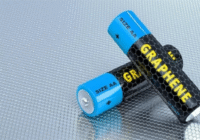
North America Graphene Battery Market to be led by the U.S., driven by EV tech advances and growing demand for renewable energy storage from 2026 to 2030F. According to the latest TechSci Research report, titled “North America Graphene Battery Market – By Country, Competition, Forecast & Opportunities, 2020-2030F,” the market was valued at USD 106.78 million in 2024 and is projected to reach USD 394.51 million by 2030, growing at a remarkable CAGR of 24.34% during the forecast period. This strong growth trajectory reflects the region’s increasing reliance on advanced energy storage technologies to power everything from electric vehicles to wearable electronics and portable medical devices. Consumer Electronics Driving Demand for Graphene Batteries A major factor fueling the expansion of the graphene battery market in North America is the rapid growth of the consumer electronics sector. The demand for lightweight, compact, and high-performance devices—such as smartphones, smartwatches, tablets, and home automation systems—has surged in recent years. Consumers now expect their devices to offer longer battery life, faster charging, and better thermal stability, even during intensive use. While traditional lithium-ion batteries have served the market well, they come with limitations in terms of energy density, thermal resistance, and charging times. Graphene batteries, on the other hand, offer superior performance in all these aspects. Thanks to their unique nanostructure, graphene batteries facilitate faster ion and electron transport, significantly reducing charging times from hours to just minutes while enhancing overall safety and extending cycle life. These attributes make graphene batteries especially ideal for emerging technologies such as augmented reality headsets, foldable smartphones, and compact drones. In response to consumer demand, leading North American tech companies like Apple, Google, and Amazon are accelerating research into graphene-based energy solutions. These companies are collaborating with nanotechnology startups and academic labs to prototype smaller, faster-charging battery modules tailored for next-gen personal devices. The growing shift toward wireless charging and energy-harvesting systems further reinforces the relevance of graphene batteries, which offer superior compatibility with modern power delivery methods. Academic-Industry Collaboration Fostering Innovation A key trend shaping the North American graphene battery market is the increasing collaboration between academic institutions and private sector companies. Universities in the United States and Canada with strong programs in materials science and nanotechnology are forming strategic partnerships with battery developers to accelerate innovation, commercialization, and scalability. These partnerships, often supported by federal research grants and government innovation programs, aim to develop new graphene synthesis techniques, optimize battery chemistries, and improve large-scale manufacturing methods. Techniques like green chemical processing and roll-to-roll manufacturing are being explored to make graphene production more cost-effective and environmentally friendly. These academic-industry collaborations are also giving rise to co-authored research publications, joint ventures, and new intellectual property portfolios, driving standardization across the industry. By combining theoretical research with real-world application testing, stakeholders are able to bring promising graphene battery technologies closer to market readiness. This synergy is expected to create a robust innovation ecosystem that strengthens North America’s position as a global leader in next-generation battery technology. Healthcare: A Fast-Growing Application Segment Among the various application segments, healthcare stands out as the fastest-growing sector in the North America graphene battery market. The healthcare industry’s increasing reliance on portable and energy-efficient medical devices is fueling demand for advanced batteries that can deliver consistent, safe, and long-lasting power. Devices such as pacemakers, insulin pumps, hearing aids, portable oxygen concentrators, and remote patient monitoring systems require compact and reliable batteries capable of performing under critical conditions. As the region grapples with an aging population and a rise in chronic health conditions, the demand for continuous and personalized healthcare solutions is rising. Wearable health monitoring devices, which often require high energy density and quick recharging capabilities, are increasingly powered by graphene-enhanced batteries. Additionally, the development of medical robotics, diagnostic tools, and advanced imaging equipment has necessitated high-performance batteries that meet stringent safety and performance standards. Graphene batteries, known for their stability and energy efficiency, are emerging as the preferred option for these applications. With ongoing advancements in personalized medicine and telehealth, the healthcare segment is expected to remain a key driver of market growth. Browse over XX market data Figures spread through XX Pages and an in-depth TOC on the “North America Graphene Battery Market”https://www.techsciresearch.com/report/north-america-graphene-battery-market/28793.html Mexico: The Emerging Powerhouse in the Region When it comes to country-level growth, Mexico is rapidly establishing itself as the fastest-growing market for graphene batteries in North America. This growth is fueled by a combination of strategic advantages, including its geographic location, which facilitates seamless trade within the region, and an increasingly favorable investment climate. Mexico’s government has launched several initiatives to support innovation in energy technologies and promote sustainable industrial practices. As the country works toward reducing carbon emissions and increasing renewable energy adoption, the demand for efficient and scalable energy storage solutions is on the rise. Industries such as automotive, aerospace, and electronics—all key users of advanced batteries—are expanding rapidly in Mexico, creating strong opportunities for graphene battery manufacturers and researchers alike. Moreover, Mexico is emerging as a hub for R&D and manufacturing, attracting international investment and fostering local innovation ecosystems. With continued support for technology-driven growth, the country is expected to play a pivotal role in shaping the future of graphene batteries in North America. Outlook As technological innovation, consumer expectations, and environmental imperatives converge, the North America Graphene Battery Market is set for substantial expansion over the next decade. Driven by cutting-edge applications in electronics, healthcare, and clean energy, and supported by strong academic-industry collaboration, the market is positioned to redefine how energy is stored and used across various sectors. With the U.S. leading adoption, Mexico emerging as a rising player, and Canada contributing through research and regulation, the region is creating a vibrant, interconnected ecosystem that could set global benchmarks in next-generation energy storage. Key market players in the North America Graphene Battery market are: –… Read More: North America Graphene Battery Market sees boost from EV tech… »

Commercial Satellite Broadband Market 2030: Size, Share, Growth Trends & Forecast Insights

Introduction According to TechSci Research report, “Commercial Satellite Broadband Market – Global Industry Size, Share, Trends, Competition Forecast & Opportunities, 2030F, Global Commercial Satellite Broadband Market was valued at USD 6.1 Billion in 2024 and is expected to reach at USD 17.83 Billion in 2030 and project robust growth in the forecast period with a CAGR of 19.4% through… Read More: Commercial Satellite Broadband Market 2030: Size, Share, Growth Trends &… »

North America Marine Low-Speed Diesel Engine Market Boosted by U.S. Shipping

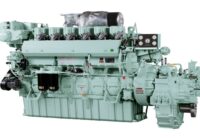
North America Marine Low-Speed Diesel Engine Market to be led by U.S. via strong trade, advanced shipping infrastructure, and fleet upgrades (2026–2030F). According to the TechSci Research report titled “North America Marine Low-Speed Diesel Engine Market – By Country, Competition, Forecast & Opportunities, 2020–2030F,” the market was valued at USD 106.61 million in 2024 and is projected to reach USD 175.01 million by 2030, growing at a compound annual growth rate (CAGR) of 8.61% during the forecast period. This growth is being driven by evolving regulatory frameworks, technological advancements, and rising demand for efficient marine propulsion systems across North America. One of the major factors fueling the expansion of the marine low-speed diesel engine market in North America is the increasingly stringent environmental regulations imposed by international and national maritime authorities. The International Maritime Organization (IMO) implemented its global sulfur cap in 2020, drastically reducing the allowable sulfur content in marine fuels. This regulation rendered many traditional high-sulfur fuel engines non-compliant, prompting vessel operators to seek more efficient and cleaner alternatives. Marine low-speed diesel engines, known for their adaptability and robust combustion technology, have emerged as a preferred solution for compliance. Modern low-speed diesel engines are being designed to accommodate low-sulfur fuels and alternative fuel types such as liquefied natural gas (LNG) and methanol. These options not only ensure regulatory compliance but also contribute to reducing emissions of carbon dioxide, nitrogen oxides, and sulfur oxides. Additionally, these engines are often compatible with after-treatment systems such as scrubbers, exhaust gas recirculation (EGR), and selective catalytic reduction (SCR) systems, allowing for significant emission reductions even in retrofit scenarios. In North America, regulatory bodies such as the United States Environmental Protection Agency (EPA) and Transport Canada are actively enforcing emission control measures that support the shift toward cleaner propulsion technologies. Through mechanisms such as grants, incentives, and penalties for non-compliance, these agencies are promoting early adoption of efficient diesel engines. The integration of carbon pricing schemes and the rise of green financing in the maritime sector further enhance the business case for switching to low-emission engine technologies. Fleet operators are responding by aligning new builds and retrofit schedules with the availability of compliant and efficient diesel engine systems. The trend is evident in the growing number of retrofitted and newly built vessels incorporating dual-fuel or emission-optimized low-speed diesel engines. In 2023 alone, more than 700 vessels operating in North American waters were either retrofitted or built using advanced diesel engine technologies, a testament to the market’s transformation under regulatory and operational pressures. A prominent trend in the market is the increasing emphasis on engine retrofitting as a means of extending the service life of existing vessels while improving environmental performance. With a large portion of North America’s marine fleet aging—many vessels having served over 20 years—fleet operators are exploring cost-effective alternatives to total vessel replacement. Retrofitting offers a practical solution. Engine upgrades often include improved fuel injection systems, electronic control modules, and emission control technologies, enabling ships to meet current and future environmental standards while maximizing return on investment. Retrofits not only reduce emissions but also improve fuel efficiency, lower operational costs, and extend asset life. These benefits are compelling for commercial operators in sectors such as cargo shipping, oil and gas transportation, and industrial logistics, where margins are closely tied to operational efficiency and compliance. As green shipping standards continue to evolve, the retrofit market is expected to grow rapidly, presenting opportunities for marine engine manufacturers and shipyards across the U.S., Canada, and Mexico. Browse over XX market data Figures spread through XX Pages and an in-depth TOC on the “North America Marine Low-Speed Diesel Engine Market”https://www.techsciresearch.com/report/north-america-marine-low-speed-diesel-engine-market/28790.html In terms of engine types, the cylinder engine segment is witnessing the fastest growth in the North American marine low-speed diesel engine market. Cylinder engines are increasingly preferred for large marine vessels such as tankers and cargo ships due to their high power output, fuel efficiency, and reliability over long distances. Their rugged design allows for extended operation under harsh maritime conditions, making them an ideal choice for fleet operators focused on durability and low maintenance. The global shift toward sustainability and fuel efficiency has further accelerated the adoption of advanced cylinder engine technologies, especially those capable of running on LNG and other low-emission fuels. These engines not only offer compliance with IMO and EPA regulations but also align with global carbon reduction goals. The integration of smart monitoring systems and automated controls in modern cylinder engines is also enhancing their appeal, allowing operators to optimize performance, reduce fuel consumption, and minimize downtime. With continued advancements in design and growing pressure to modernize fleets, the cylinder engine segment is expected to retain its dominant position in the years to come. On the geographic front, Mexico is emerging as the fastest-growing market in North America for marine low-speed diesel engines. Several factors contribute to this growth. Mexico’s strategic geographic location, connecting major Pacific and Atlantic trade routes, positions it as a vital node in global maritime logistics. The government’s active investment in port modernization and infrastructure development—such as the Interoceanic Corridor of the Isthmus of Tehuantepec—is enhancing its trade capabilities and attracting more shipping traffic. Mexico’s expanding manufacturing sector and rising exports of goods such as chemicals, oil, and machinery are increasing the demand for efficient shipping and vessel power systems. The growing need for larger, fuel-efficient ships is directly translating into increased demand for low-speed diesel engines. As Mexico continues to strengthen its maritime industry and logistics networks, its role in the regional engine market is expected to become increasingly prominent. Overall, the North America marine low-speed diesel engine market is undergoing a dynamic transformation. Driven by environmental mandates, economic incentives, and technological innovation, the market is poised for substantial growth through 2030. Key players who align their offerings with regulatory standards, advanced engine designs, and retrofit capabilities will be best positioned to capture emerging opportunities across the U.S., Canada, and Mexico. Key market players in the North America Marine Low-Speed Diesel Engine… Read More: North America Marine Low-Speed Diesel Engine Market Boosted by U.S.… »

North America Cogeneration Equipment Market Led by U.S. Industrial Growth

North America Cogeneration Equipment Market grows with rising energy efficiency demand, lower emissions, and U.S. leadership driven by strong industry and policies (2026–2030F). According to a TechSci Research report titled “North America Cogeneration Equipment Market – By Country, Competition, Forecast & Opportunities, 2020–2030F,” the North America Cogeneration Equipment Market was valued at USD 9.14 billion in 2024 and is projected to reach USD 15.29 billion by 2030, growing at a CAGR of 8.95% during the forecast period. The market’s rapid growth is being driven by tightening environmental regulations, increasing energy efficiency demands, and widespread industrial adoption of combined heat and power (CHP) technologies across the region. Regulatory Pressures and Environmental Mandates Fueling Adoption One of the key growth drivers for cogeneration equipment in North America is the evolving regulatory landscape, particularly in the United States and Canada. Governments and environmental agencies are aggressively promoting the adoption of clean energy technologies to curb greenhouse gas (GHG) emissions and improve energy utilization. Federal, state, and provincial governments have implemented regulations that require industrial and commercial facilities to significantly reduce their carbon footprints. Cogeneration systems have emerged as an effective means to comply with these mandates. They offer the advantage of producing electricity and thermal energy from a single fuel source, thereby improving efficiency and reducing emissions per unit of energy consumed. Agencies such as the United States Environmental Protection Agency (EPA) and Environment and Climate Change Canada (ECCC) are enforcing stricter emission standards through initiatives like the Clean Air Act and Canada’s Output-Based Pricing System. These frameworks penalize organizations that exceed GHG emission limits, creating a strong incentive to transition to efficient energy systems like cogeneration. In addition to national-level policies, many local jurisdictions are implementing their own climate action plans. Urban centers such as New York City, San Francisco, and Toronto have introduced building codes that either encourage or require the integration of high-efficiency systems in both new constructions and building retrofits. These localized efforts are pushing facility managers to adopt advanced cogeneration systems to meet mandated emission reductions and energy performance goals. Technological Innovation Driving Modular and Scalable Solutions The cogeneration equipment market in North America is also benefiting from significant technological advancements. Manufacturers are increasingly focusing on modular and scalable systems, which have lowered entry barriers and made cogeneration accessible to a wider range of facility sizes and types. Modern innovations in components like microturbines, reciprocating engines, and heat recovery units have enabled the development of compact, efficient, and easy-to-deploy cogeneration systems. These modular solutions can be tailored to specific capacity requirements, making them ideal for small and medium-sized enterprises that lack the infrastructure for large-scale installations. “Plug-and-play” systems are now available, allowing businesses to integrate cogeneration technology into existing operations with minimal disruption and capital expenditure. This is particularly beneficial for retrofitting aging infrastructure or incrementally scaling energy systems in response to fluctuating operational demands. Moreover, the integration of digital technologies—such as real-time monitoring, predictive maintenance, and advanced control systems—has significantly enhanced the operational efficiency of cogeneration units. These features allow for optimized load balancing, more precise energy management, and improved system reliability. As a result, facilities are seeing quicker payback periods and stronger returns on investment, making cogeneration systems an increasingly attractive option. Browse over XX market data Figures spread through XX Pages and an in-depth TOC on the “North America Cogeneration Equipment Market”https://www.techsciresearch.com/report/north-america-cogeneration-equipment-market/28788.html Rising Demand for Gas Turbine Technology Among the various cogeneration technologies, gas turbines are emerging as the fastest-growing segment in the market. Their popularity stems from their high efficiency, reliability, and environmental benefits compared to conventional steam turbines and reciprocating engines. Gas turbines are particularly well-suited for applications that require high power output with minimal fuel consumption, making them a preferred choice in industrial and marine sectors. Their ability to operate on alternative fuels such as liquefied natural gas (LNG) and hydrogen further enhances their appeal in the context of decarbonization initiatives. Additionally, gas turbines offer operational benefits including quicker startup times, compact designs, and lower maintenance costs. These features are especially valuable for industries aiming to improve uptime and reduce lifecycle expenses. As sustainability and energy efficiency become core priorities for businesses, the gas turbine segment is expected to maintain robust growth throughout the forecast period. Mexico Emerges as a High-Growth Market While the United States currently dominates the North America cogeneration equipment market, Mexico is rapidly gaining momentum as the fastest-growing country in the region. The country is experiencing significant industrial expansion, particularly in the manufacturing and energy sectors, which is driving demand for cost-effective and sustainable energy solutions. Mexico’s government is actively promoting cogeneration through policies focused on reducing carbon emissions and enhancing energy efficiency. Additionally, rising energy prices and the need for operational optimization are encouraging businesses to invest in combined heat and power systems. Mexico also benefits from its close proximity to the United States, which facilitates the transfer of technology and investment. As a result, the nation is seeing accelerated adoption of cogeneration technologies, positioning itself as a key contributor to the regional market’s long-term growth. Outlook The North America Cogeneration Equipment Market is on a robust growth trajectory, fueled by regulatory support, environmental concerns, and ongoing technological innovations. As more businesses seek reliable, cost-effective, and sustainable energy solutions, the demand for cogeneration systems—particularly modular and gas turbine-based solutions—is expected to rise sharply. With strong momentum in the United States and accelerating adoption in Mexico, the region is well-positioned to lead in the global transition toward cleaner and more efficient energy systems. Key market players in the… Read More: North America Cogeneration Equipment Market Led by U.S. Industrial Growth »

Glass Insulated Electrical Bushing Market Expands with Grid Modernization

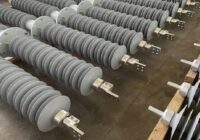
Glass Insulated Electrical Bushing Market grows as demand rises for durable, high-voltage components with superior insulation in transformers and switchgear systems. According to the latest report by TechSci Research, titled “Glass Insulated Electrical Bushing Market – Global Industry Size, Share, Trends, Competition Forecast & Opportunities, 2030F”, the global market for glass insulated electrical bushings was valued at USD 3.81 billion in 2024 and is projected to grow to USD 5.38 billion by 2030, expanding at a compound annual growth rate (CAGR) of 5.76% during the forecast period. This growth is driven by increasing demand for high-performance, reliable electrical components across utility and industrial applications. Rising Demand from Utility and Industrial Sectors One of the key growth drivers of the market is the modernization of electrical infrastructure by utilities worldwide. As electric grids become more complex and are required to support higher voltages, the need for bushings that can handle significant electrical stress and environmental exposure is rising. Glass insulated bushings are preferred due to their superior dielectric strength, thermal stability, resistance to aging, and long service life. These features make them essential in high-voltage applications such as power transformers, circuit breakers, and switchgear. Additionally, the ongoing transition to renewable energy sources like solar and wind has resulted in the expansion of smart grids and distributed generation systems. These developments require more sophisticated insulation technologies to ensure consistent power quality and equipment protection. Glass insulated bushings play a pivotal role in supporting this transition by offering the necessary reliability and performance in a variety of challenging conditions. Industrial Growth Fuels Market Expansion Industrialization in emerging economies is another major factor contributing to the market’s expansion. As countries in Asia, Africa, and Latin America develop their industrial bases, the need for robust and durable electrical components becomes more pronounced. Sectors such as manufacturing, mining, and oil & gas are increasingly adopting glass insulated bushings to ensure stable and safe power distribution to heavy machinery and sensitive equipment. In 2024, the industrial segment held the largest share of the Glass Insulated Electrical Bushing Market. This segment continues to experience strong demand due to the critical role of electrical infrastructure in maintaining operational efficiency and minimizing downtime. The ability of glass bushings to endure high-stress environments and temperature extremes makes them ideal for these heavy-duty applications. Technological Advancements Enhance Product Performance Continuous innovations in insulation materials and bushing design are supporting the ongoing growth of the glass insulated electrical bushing market. Research and development efforts are focused on improving the mechanical strength, temperature resistance, and moisture-proof properties of these bushings to meet the evolving demands of power systems. Manufacturers are also integrating new technologies such as online monitoring sensors into bushings to detect early signs of wear or insulation failure. These advancements not only extend the service life of the components but also support predictive maintenance, enhancing operational safety and reducing maintenance costs. As the electrical industry becomes more digitized and data-driven, the adoption of such smart bushings is expected to increase. Browse over XX Market data Figures spread through XX Pages and an in-depth TOC on the “Global Glass Insulated Electrical Bushing Market.”https://www.techsciresearch.com/report/glass-insulated-electrical-bushing-market/28523.html Asia Pacific Emerges as the Fastest-Growing Region From a regional perspective, Asia Pacific is emerging as the fastest-growing market for glass insulated electrical bushings. The region’s rapid industrialization, urban expansion, and increasing investments in infrastructure and renewable energy projects are fueling demand for high-voltage insulation equipment. Countries such as China, India, Japan, and South Korea are at the forefront of power infrastructure development, working to meet surging energy demands driven by population growth and economic development. In China, for example, aggressive plans for renewable energy expansion and grid upgrades have created significant opportunities for manufacturers of glass bushings. Moreover, government policies aimed at improving energy efficiency and reliability—coupled with public and private sector investments in smart grid technologies—are expected to continue boosting the market. The region’s efforts to replace outdated grid components and adopt more sustainable power solutions will further drive demand for advanced insulation materials such as glass. Market Challenges and Competitive Landscape Despite its positive outlook, the glass insulated electrical bushing market faces certain challenges. High initial costs, complex installation procedures, and availability of alternative insulation technologies such as resin-impregnated paper (RIP) and silicone-based bushings can pose hurdles to wider adoption. However, these limitations are being addressed through innovation, cost optimization, and increased awareness of the long-term benefits of glass insulation systems. The competitive landscape of the market is characterized by the presence of several global and regional players offering a broad range of products. Companies are focusing on expanding their product portfolios, improving quality standards, and enhancing after-sales services to gain a competitive edge. Strategic collaborations, mergers, and partnerships are also on the rise to strengthen market positions and expand geographical reach. Conclusion The global Glass Insulated Electrical Bushing Market is poised for robust growth through 2030, driven by infrastructure modernization, industrial expansion, and the global transition to renewable energy. With strong demand from utility and industrial sectors, particularly in rapidly developing regions like Asia Pacific, the market is expected to see continued innovation and investment. As insulation technologies evolve and the need for reliable high-voltage components intensifies, glass insulated bushings will remain a cornerstone of safe and efficient power transmission and distribution systems. Major companies operating in the Global Glass Insulated Electrical Bushing Market… Read More: Glass Insulated Electrical Bushing Market Expands with Grid Modernization »