Category Archives: Power

Commercial Pumps Market Grows with Infrastructure Investment Trends

Commercial Pumps Market is growing due to urbanization, infrastructure growth, and rising demand for energy-efficient pumps during the 2026–2030 forecast period. According to a recent report by TechSci Research, the Global Commercial Pumps Market was valued at USD 45.2 billion in 2024 and is projected to reach USD 62.2 billion by 2030, growing at a CAGR of 5.3% during the forecast period. The market’s expansion is being driven by a convergence of factors, including increased infrastructure development, rapid urbanization, rising energy demands, and the growing need for sustainable and energy-efficient water management solutions. One of the primary growth drivers is the oil and gas sector, where ongoing exploration and production activities are demanding high-performance pumps for use in drilling, refining, and transport operations. As global energy consumption continues to rise, the requirement for robust and reliable pumping systems within the oil and gas industry remains strong. These systems are essential for maintaining smooth operations and meeting both environmental standards and performance expectations. At the same time, emerging economies across Asia, the Middle East, and Latin America are undergoing rapid urbanization and industrialization. This growth is leading to increased construction of commercial infrastructure, such as office complexes, malls, hotels, and hospitals—all of which require efficient HVAC (heating, ventilation, and air conditioning), water supply, and wastewater treatment systems. These commercial and industrial facilities rely heavily on various types of pumps to maintain smooth operation, further fueling market growth. Digital transformation and automation are also shaping the commercial pumps market. Industries across the globe are adopting automation to enhance efficiency, reduce labor costs, and improve operational control. Smart pumps equipped with sensors and Internet of Things (IoT) capabilities are gaining traction as they allow for remote monitoring, predictive maintenance, and performance optimization. This technology-driven shift is expected to become a major growth catalyst over the next decade. In addition, government investments in public infrastructure, especially in water and wastewater treatment plants, are significantly contributing to market expansion. With growing awareness of environmental degradation and water scarcity, several countries are allocating substantial budgets for upgrading their water management infrastructure. These initiatives are increasing the demand for high-efficiency, durable, and low-maintenance commercial pumping systems. Another crucial factor driving the market is the global emphasis on water conservation and sustainable resource management, particularly in sectors like agriculture, manufacturing, and commercial real estate. The adoption of energy-efficient pumps is becoming a key strategy for reducing operating costs and minimizing environmental impact. Businesses and municipalities alike are seeking to modernize their systems with greener technologies, which bodes well for the future of the commercial pumps market. Product Insights: Seal-less & Circulator Pumps Lead the Market Based on pump type, the Seal-less & Circulator Pumps segment held the dominant market share in 2024 and is expected to retain its leadership through 2030. These pumps are recognized for their high reliability, minimal maintenance needs, and superior energy efficiency, making them particularly well-suited for a range of commercial applications, including water treatment, HVAC, and chemical processing. Unlike conventional pumps, seal-less pumps are designed without mechanical seals, thereby eliminating common problems such as leakage and wear. This design enhances the durability and operational lifespan of the pump, significantly reducing downtime and maintenance costs. These benefits make seal-less pumps an attractive investment for industries where reliability and efficiency are paramount. Browse over XX market data Figures spread through XX Pages and an in-depth TOC on the “Global Commercial Pumps Market”https://www.techsciresearch.com/report/commercial-pumps-market/28647.html Circulator pumps—a subcategory within seal-less pumps—are gaining increasing popularity in commercial heating and cooling systems. These pumps are essential in maintaining the circulation of fluids within HVAC systems, thereby contributing to indoor air quality and thermal comfort in commercial buildings. As green building standards and energy codes become more stringent, the demand for circulator pumps that support energy-efficient climate control is expected to rise. The emphasis on sustainability and environmental compliance is also pushing businesses to adopt seal-less and circulator pumps. These systems often meet or exceed energy efficiency regulations and offer a smaller carbon footprint compared to traditional pumping systems. As environmental regulations tighten worldwide, the adoption of eco-friendly technologies like these is anticipated to surge across multiple industry verticals. Regional Insights: Asia Pacific as the Fastest-Growing Region Regionally, Asia Pacific is emerging as the fastest-growing market for commercial pumps. This growth is driven by expanding urban populations, large-scale infrastructure development, and a thriving industrial base in countries such as China, India, Japan, and several Southeast Asian nations. Rapid industrialization across sectors like construction, manufacturing, agriculture, and water management is creating high demand for pumping solutions. Additionally, the Asia Pacific region is home to some of the world’s largest agricultural economies, where the modernization of irrigation and drainage systems is underway. This shift is increasing the use of automated and energy-efficient pumps in both small-scale and large-scale agricultural operations. Governments in the region are also implementing stringent environmental policies to combat water scarcity and pollution, which in turn is fueling investment in water and wastewater infrastructure. These efforts are directly supporting the adoption of advanced pumping technologies that offer high performance with low energy consumption. Furthermore, the competitive pricing and growing quality standards of pumps manufactured by local companies in Asia Pacific are making modern pumping systems more accessible to a wide range of industries. With continued economic development and supportive government policies, Asia Pacific is set to remain a key growth engine for the global commercial pumps market over the forecast period. In conclusion, the Global Commercial Pumps Market is poised for steady and substantial growth through 2030, driven by technological advancements, expanding infrastructure, environmental concerns, and a global push toward energy efficiency. The ongoing shift toward smart, automated, and sustainable systems ensures that commercial pumps will play a critical role in supporting modern industry and urban development worldwide. Key market players in the Commercial Pumps Market are: – Pentair Inc.Xylem Inc.Grundfos… Read More: Commercial Pumps Market Grows with Infrastructure Investment Trends »

Commercial Smart Water Meter market Driven by Digital Water Solutions

Commercial Smart Water Meter market is growing due to rising water management needs, tech advances, and strict regulatory mandates driving adoption worldwide. According to the latest report by TechSci Research titled “Commercial Smart Water Meter Market – Global Industry Size, Share, Trends, Competition Forecast & Opportunities, 2030F,” the global commercial smart water meter market was valued at USD 2.56 billion in 2024. The market is projected to grow at a robust CAGR of 15.28% and reach USD 6.06 billion by 2030. This surge in demand is primarily driven by increasing regulatory requirements, technological advancements, and the growing emphasis on efficient water resource management across commercial sectors. Drivers of Market Growth Governments across the globe are introducing stricter regulations and water conservation mandates to address the growing challenges of water scarcity and inefficient resource use. These regulatory pressures are pushing both public and private sectors to adopt smarter solutions for water monitoring and management. Commercial smart water meters, with their ability to provide precise, real-time data on consumption, are emerging as a critical tool in this transformation. The benefits of these smart devices go far beyond compliance. By enabling real-time leak detection, more accurate billing, and usage analytics, commercial smart water meters improve operational efficiency for both utility providers and end users. Businesses can optimize water usage, reduce waste, and lower operating costs, while utilities can streamline maintenance and billing systems. Integration of IoT and Advanced Technologies The integration of smart meters with Internet of Things (IoT) technologies is revolutionizing the commercial water metering landscape. IoT-enabled smart meters allow for remote monitoring and data transmission, eliminating the need for manual meter readings and enabling predictive maintenance. These smart systems also provide detailed insights into consumption trends, helping utilities and businesses forecast demand, prevent system overloads, and optimize water distribution infrastructure. As the cost of sensors and wireless communication technologies like LoRaWAN and NB-IoT continues to decrease, the commercial viability of smart meters is becoming more widespread. This affordability, combined with the growing digital transformation in the utilities sector, is fostering widespread adoption of smart metering solutions in commercial applications such as retail, hospitality, and manufacturing. Rise of Smart Cities and Sustainability Goals The global push toward smart city development is a significant tailwind for the commercial smart water meter market. Smart cities prioritize the use of connected technologies to enhance urban management, and smart water metering is a crucial component of these systems. In such settings, commercial smart meters not only help manage water usage but also contribute to broader sustainability goals by supporting energy efficiency, reducing carbon footprints, and encouraging environmentally conscious practices. The growing focus on sustainability among businesses and institutions is also influencing market dynamics. As organizations seek to meet ESG (Environmental, Social, and Governance) goals and align with green building standards, smart water meters offer a practical solution. Their real-time monitoring capabilities support efficient water usage, reduce utility expenses, and help maintain environmental compliance. Explore Over XX Market Data Figures Spread Across XX Pages in the In-Depth TOC of the “Global Commercial Smart Water Meter Market”https://www.techsciresearch.com/report/commercial-smart-water-meter-market/28380.html Segment Analysis: Hot Water Meters Lead Market Share By product type, the Hot Water Meter segment held the largest share of the global commercial smart water meter market in 2024. This dominance is driven by the rising demand for efficient water and energy use in commercial buildings and industrial facilities. As energy costs rise and environmental concerns mount, businesses are placing greater emphasis on managing hot water consumption effectively. Smart hot water meters provide accurate data on water usage and temperature, helping businesses identify inefficiencies, detect leaks early, and reduce energy expenditures. With these meters, organizations can align their operations with sustainability goals, enhance resource efficiency, and comply with evolving environmental regulations. IoT integration further strengthens the appeal of smart hot water meters by enabling remote monitoring and automation. This reduces the need for manual checks, improves data accuracy, and allows predictive analytics to forecast consumption patterns and maintenance needs. The compatibility of these meters with other smart building systems also supports greater digitalization, making them an integral part of energy-efficient commercial infrastructure. As regulatory bodies impose stricter efficiency standards, and as businesses seek to minimize environmental impacts, the demand for smart hot water meters is expected to grow steadily. Enhanced communication technologies and growing awareness of the benefits of water-energy nexus management will continue to drive this segment’s expansion. Regional Insights: Asia Pacific Leads in Growth The Asia Pacific region is emerging as the fastest-growing market for commercial smart water meters. Rapid urbanization, population growth, and industrial expansion across countries such as China, India, and Japan are increasing the demand for intelligent water management solutions. Many urban centers in the region face acute water stress, prompting governments and private enterprises to prioritize water conservation. Smart water meters are becoming indispensable in this effort, helping to monitor usage, minimize losses, and ensure sustainable resource distribution. The adoption of smart technologies aligns with broader national and regional smart city initiatives, which often include infrastructure upgrades like the deployment of IoT-enabled utilities. Infrastructure investments in Asia Pacific are accelerating the installation of smart water meters, supported by favorable policy frameworks and the expansion of digital communication networks. Countries are embracing advanced metering technologies not only to meet regulatory standards but also to enhance operational efficiency and customer service across commercial sectors. Moreover, the growing affordability of smart water meters and improved network connectivity across urban and semi-urban areas are making these solutions accessible to a wider range of commercial users. The region’s strong focus on digital transformation and environmental sustainability ensures continued growth in the smart water metering space. Conclusion The global commercial smart water meter market is on a high-growth trajectory, fueled by a confluence of regulatory, technological, and environmental factors. As water conservation becomes a critical priority and digital infrastructure evolves, commercial enterprises across the globe are investing in smart metering technologies to improve efficiency, reduce costs, and support sustainability initiatives. With hot water meters and the Asia Pacific region leading in adoption, the market is set to witness substantial transformation and innovation through 2030. Major companies operating in the Global Commercial Smart Water Meter Market are: Aclara Technologies LLC.Arad GroupBadger Meter, Inc.Diehl Stiftung & Co. KGHoneywell International Inc.Itron Inc.Neptune Technology Group Inc.Ningbo… Read More: Commercial Smart Water Meter market Driven by Digital Water Solutions »

Asia-Pacific Rooftop Solar EPC Market Expands Amid Rising Solar Adoption

Asia-Pacific Rooftop Solar EPC Market is rising due to demand for decentralized energy and digital tech integration in EPC workflows during 2026–2030F. According to a recent report by TechSci Research titled “Asia-Pacific Rooftop Solar EPC Market – By Country, Competition, Forecast and Opportunities, 2020-2030F”, the Asia-Pacific Rooftop Solar EPC Market was valued at USD 4.28 billion in 2024 and is projected to reach USD 6.17 billion by 2030, growing at a compound annual growth rate (CAGR) of 6.13% during the forecast period. This growth is being fueled by a dynamic shift toward decentralized energy generation, rising electricity demand, and the widespread integration of digital tools into engineering, procurement, and construction (EPC) workflows across the region. One of the most significant trends shaping the Asia-Pacific Rooftop Solar EPC market is the rapid adoption of decentralized solar energy systems. The region is experiencing fast-paced urbanization, increasing energy consumption, and mounting stress on outdated centralized power infrastructure. In this context, rooftop solar emerges as a practical, clean, and decentralized alternative. By enabling end users—particularly in residential and commercial segments—to generate their own power, rooftop solar solutions reduce dependency on national grids and mitigate the risks of frequent blackouts, which are prevalent in many Asia-Pacific countries such as India, Indonesia, and Vietnam. Rooftop solar systems offer strategic advantages in areas where centralized grid expansion is economically and logistically challenging, especially in remote and peri-urban regions. Here, the combination of solar photovoltaic (PV) panels and small-scale battery storage systems is gaining momentum as a reliable energy source. This trend has created strong demand for EPC contractors who can deliver customized, turnkey solutions, using modular installation approaches and offering localized operation and maintenance (O&M) services. Furthermore, decentralization gives consumers greater autonomy in managing their energy use and costs. With utility tariffs on the rise in several Asia-Pacific markets, residential and commercial users are incentivized to install rooftop systems and explore surplus energy sales via net metering or peer-to-peer energy trading platforms. This evolving value proposition is pushing EPC companies to innovate and digitize their services—from remote system design to predictive maintenance using IoT-based sensors. Segment Insights: Surge in 1 to 10 kW Capacity Installations By capacity, the 1 to 10 kW segment is expected to witness the fastest growth during the forecast period. This category is particularly suitable for small-scale residential users and commercial establishments, offering an optimal balance between cost, energy output, and space efficiency. The growth of this segment is underpinned by the expansion of the middle class in countries like India, Indonesia, and Vietnam—where rising electricity costs and unreliable grid power are prompting consumers to seek affordable and sustainable energy alternatives. The appeal of the 1 to 10 kW rooftop systems is further enhanced by government-backed incentives and subsidy programs that reduce upfront capital costs. Countries across the region have introduced favorable net metering regulations, tax rebates, and low-interest financing to make solar adoption more accessible. India, for instance, has rolled out several initiatives, including the Solar Rooftop Scheme, aimed at boosting the installation of small-scale solar systems in both urban and rural areas. Technological advancements are also contributing to the segment’s rapid uptake. Modern rooftop solar panels are becoming more efficient and cost-effective, while innovations in mounting systems and power electronics have streamlined installation processes. Additionally, the growing availability of affordable battery storage solutions allows users to store excess energy, enabling off-grid operation during peak demand or grid failures. These developments significantly increase the utility and economic viability of small-scale solar systems. Browse over XX market data Figures spread through XX Pages and an in-depth TOC on the ” Asia-Pacific Rooftop Solar EPC Market”https://www.techsciresearch.com/report/asia-pacific-rooftop-solar-epc-market/28779.html Country Insights: India as the Fastest-Growing Market Among Asia-Pacific nations, India is poised to be the fastest-growing rooftop solar EPC market over the forecast period. The country’s rapid urbanization, rising electricity demand, and strong government support for renewable energy form a powerful combination that is accelerating the adoption of rooftop solar solutions. India has committed to achieving 500 GW of non-fossil fuel energy capacity by 2030, and rooftop solar is expected to contribute significantly to this goal. The government has introduced a range of initiatives and incentives to support this transition, including subsidies for residential and institutional installations, favorable net metering frameworks, and programs like Saubhagya, which aims to provide electricity to every household in the country. These supportive policy frameworks are complemented by India’s high solar potential, large population base, and the widespread issue of grid unreliability in both urban and rural areas. For households and small businesses, installing rooftop solar systems—especially in the 1 to 10 kW range—presents an opportunity to reduce energy bills, ensure power reliability, and participate in the broader push toward decarbonization. India’s industrial and commercial sectors are also actively embracing rooftop solar to meet sustainability targets and reduce operational costs. With electricity expenses accounting for a significant share of overhead costs, businesses are increasingly adopting solar power as a long-term, cost-effective energy solution. The growing awareness of environmental concerns, rising ESG compliance requirements, and public pressure for green practices further encourage companies to invest in clean energy alternatives. Regional Outlook and Future Growth Drivers Beyond India, countries such as China, Japan, South Korea, and emerging Southeast Asian economies are also witnessing a surge in rooftop solar installations. Government-led clean energy goals, improvements in financing options, and public-private partnerships are providing robust support to EPC players in the region. Additionally, the integration of digital technologies—such as drone-based site surveys, AI-driven design tools, and real-time monitoring systems—is enhancing the efficiency and scalability of rooftop solar projects. These innovations allow EPC companies to reduce lead times, optimize performance, and improve long-term system reliability. Looking ahead, the Asia-Pacific Rooftop Solar EPC Market is expected to maintain strong momentum driven by the twin imperatives of energy security and climate action. As decentralization, technological advancement, and regulatory support continue to align, the region is set to emerge as a global leader in rooftop solar deployment. Key market players in the Asia-Pacific Rooftop Solar EPC market are:… Read More: Asia-Pacific Rooftop Solar EPC Market Expands Amid Rising Solar Adoption »

Nuclear Reactor Construction Market Fueled by Global Energy Transition

Nuclear Reactor Construction Market is growing due to rising clean energy demand and tech advancements, driving global expansion during the 2026–2030 forecast period. According to the TechSci Research report titled “Nuclear Reactor Construction Market – Global Industry Size, Share, Trends, Competition Forecast & Opportunities, 2030F”, the global nuclear reactor construction market was valued at USD 54.5 billion in 2024 and is projected to reach USD 62.3 billion by 2030, expanding at a CAGR of 2.1% over the forecast period. While decarbonization and increasing global energy demands continue to act as core catalysts, several additional factors are accelerating the growth of the market. A primary driver is the aging global fleet of nuclear reactors. Many reactors currently in operation are nearing or have already exceeded their originally intended lifespans, prompting urgent infrastructure renewal. Governments and energy providers across various countries are responding by initiating new nuclear construction projects to ensure grid stability, reduce dependence on fossil fuels, and maintain base-load electricity supply. Additionally, growing instability in fossil fuel markets, driven by geopolitical conflicts and supply chain disruptions, has emphasized the need for greater energy independence. Nuclear power, with its ability to provide long-term, stable, and high-capacity energy generation, is increasingly seen as a strategic asset for nations aiming to reduce their vulnerability to external energy shocks. Government support is another critical growth enabler. Numerous countries are backing nuclear energy development through favorable regulatory frameworks, financial subsidies, and long-term clean energy targets. Many of these initiatives are aligned with international climate commitments such as the Paris Agreement, in which nuclear power plays a pivotal role in achieving net-zero emission goals. Policymakers are not only reviving dormant nuclear programs but also streamlining approval processes to accelerate project execution. At the same time, innovations in reactor design and construction are helping overcome longstanding challenges related to nuclear infrastructure development. The adoption of modular construction techniques, digital twins, and advanced simulation software is significantly reducing costs, shortening construction timelines, and enhancing the safety profile of nuclear plants. These advancements are particularly impactful in regions with limited technical expertise or challenging regulatory environments. Public perception of nuclear energy is also gradually improving. With greater awareness of the intermittency limitations of solar and wind power, and the increasing need for dependable baseload electricity, nuclear power is regaining favor as a clean and reliable alternative. Furthermore, nuclear desalination technologies are emerging as a dual-purpose solution for regions facing water scarcity, combining energy generation with freshwater production. Boiling Water Reactors Lead by Technology and Economics Among various reactor types, the Boiling Water Reactor (BWR) segment held the largest market share in 2024 and is expected to maintain its dominance throughout the forecast period. The preference for BWRs is driven by their comparatively simpler design and operational mechanisms. Unlike Pressurized Water Reactors (PWRs), which require a separate steam generator, BWRs generate steam directly within the reactor core to drive turbines. This direct cycle design reduces component complexity and construction costs while improving thermal efficiency. BWRs also have a long track record of successful implementation in countries such as the United States and Japan, which has instilled confidence among energy providers and governments alike. Many utility providers favor BWRs for their lower capital investment requirements, ease of maintenance, and consistent operational performance. The development of modern BWR variants, such as the Economic Simplified Boiling Water Reactor (ESBWR), incorporates passive safety features and advanced cooling systems that comply with stringent post-Fukushima regulatory standards. The versatility of BWR technology makes it well-suited for both large-scale and medium-scale deployments, making it attractive for both emerging and developed economies. Its scalability supports diverse grid capacities, ensuring stable energy supply across a range of demand scenarios. Moreover, extended fuel cycles and reduced outage frequencies in newer BWR models enhance their appeal for utilities aiming for cost-effective long-term energy planning. In North America and parts of Europe where nuclear infrastructure is already mature, there is a continued focus on refurbishing and replacing aging BWR facilities with updated models, leveraging existing supply chains and technical expertise. Government incentives and collaborative public-private partnerships are further bolstering BWR deployment across these regions. Browse over XX market data Figures spread through XX Pages and an in-depth TOC on the “Global Nuclear Reactor Construction Market”https://www.techsciresearch.com/report/nuclear-reactor-construction-market/28822.html Asia Pacific: The Epicenter of Growth in Nuclear Construction The Asia Pacific region is emerging as the most dynamic and rapidly growing hub for nuclear reactor construction. Countries such as China, India, and South Korea are making aggressive investments in nuclear infrastructure to meet rising domestic energy demand, reduce carbon emissions, and diversify energy portfolios. China, in particular, is leading global efforts in nuclear expansion with a comprehensive strategy that includes dozens of new reactors either under construction or in the planning phase. Backed by strong government support, China is also innovating in next-generation nuclear technologies and has made substantial progress in developing indigenous reactor designs. India is another key player, with its government pushing for a significant increase in nuclear capacity as part of its broader strategy to decrease reliance on coal and other fossil fuels. India is investing in both conventional and advanced reactor types, including domestically developed pressurized heavy water reactors and upcoming Small Modular Reactors (SMRs). Smaller Southeast Asian nations are also evaluating nuclear energy as a long-term, sustainable solution to meet their growing power requirements. Technological advances, international cooperation, and robust financing mechanisms are making nuclear more accessible for these emerging economies. Small Modular Reactors (SMRs), in particular, are generating interest in Asia Pacific due to their lower upfront investment, flexible siting, and modular scalability. These reactors offer an attractive solution for countries with limited grid infrastructure or land availability and are poised to play a key role in the region’s energy future. Conclusion The global nuclear reactor construction market is experiencing renewed momentum, fueled by the dual imperatives of achieving energy security and addressing climate change. From technological innovations and favorable government policies to changing public sentiment and regional energy demands, multiple drivers are reshaping the nuclear landscape. The dominance of Boiling Water Reactors and the surge in nuclear construction across Asia Pacific highlight how both established and emerging markets are leveraging nuclear power as a cornerstone of their energy strategies. As the world intensifies its transition to clean and resilient energy systems, nuclear reactor construction will continue to be a critical area of investment and innovation. Key market players in the Nuclear Reactor Construction… Read More: Nuclear Reactor Construction Market Fueled by Global Energy Transition »

North America Automotive Lead Acid Battery Market Led By U.S. Dominance

North America Automotive Lead Acid Battery Market to be led by U.S. amid strong auto manufacturing and high vehicle output from 2026 to 2030F. According to a recent TechSci Research report titled “North America Automotive Lead Acid Battery Market – By Country, Competition, Forecast & Opportunities, 2020–2030F”, the North America Automotive Lead Acid Battery Market was valued at USD 5.29 billion in 2024 and is projected to reach USD 6.05 billion by 2030, growing at a compound annual growth rate (CAGR) of 2.26% during the forecast period. Sustainability and Recycling: Core Market Drivers One of the most significant factors propelling the growth of the automotive lead-acid battery market in North America is the increasing emphasis on environmental sustainability and the circular economy. Lead-acid batteries are currently the most recycled consumer product globally, boasting a recycling rate of over 95% across North America. This remarkable recyclability supports both ecological and economic objectives, aligning well with growing environmental regulations and sustainability goals in the automotive sector. Unlike other battery chemistries that pose recycling challenges and environmental disposal risks, lead-acid batteries operate within a closed-loop recycling system. This means that components such as lead, plastic casings, and sulfuric acid can be extracted, processed, and reused in the production of new batteries. This process minimizes environmental harm while also reducing dependence on raw material extraction, helping to lower the carbon footprint associated with battery production. The ability to recycle lead-acid batteries efficiently makes them a more sustainable alternative compared to newer battery technologies, particularly in applications that do not demand high energy density. As environmental consciousness grows among consumers and corporations alike, the automotive sector continues to prioritize lead-acid batteries for their sustainability credentials. This trend is further reinforced by government regulations that increasingly mandate the adoption of greener technologies and reduced carbon emissions. Market Trends: Emphasis on Battery Recycling A prominent trend shaping the North American market is the intensified focus on battery recycling initiatives. Environmental compliance is becoming more stringent across the continent, especially in the U.S. and Canada, where sustainability and waste management have become policy priorities. Automotive manufacturers are responding by investing in eco-friendly technologies and promoting the use of recyclable components. Lead-acid batteries are central to these efforts. With over 95% of a battery’s materials being recyclable, their usage helps automakers meet regulatory standards while contributing to long-term environmental goals. This not only helps reduce landfill waste and greenhouse gas emissions but also cuts the demand for newly mined lead, offering both environmental and cost benefits. Recycling lead from used batteries also stabilizes supply chains and reduces reliance on global raw material markets, which can be subject to geopolitical risks and price volatility. As automotive battery recycling technologies continue to evolve and become more efficient, the adoption of lead-acid batteries is expected to grow, particularly for start-stop vehicle systems and commercial fleet applications. Segment Insights: Light & Heavy Commercial Vehicles Lead Growth Among vehicle types, the light and heavy commercial vehicle segment is emerging as the fastest-growing category within the North America Automotive Lead Acid Battery Market. Several factors are contributing to this rapid growth. The expansion of logistics, transportation, and construction industries has significantly increased the demand for commercial vehicles across the region. In particular, the booming e-commerce industry has created a need for delivery vans, trucks, and utility vehicles that rely on robust and affordable energy storage solutions. Lead-acid batteries are well-suited for commercial applications due to their proven reliability, cost-efficiency, and low maintenance requirements. Their ability to deliver consistent performance under varying load conditions and in diverse environmental settings makes them the battery of choice for commercial fleet operators. Moreover, modern commercial vehicles increasingly incorporate features such as start-stop systems, which require enhanced flooded batteries (EFBs) or absorbent glass mat (AGM) lead-acid variants for optimal performance. Infrastructure expansion projects across North America are also playing a vital role in driving demand. Construction equipment and heavy-duty vehicles rely heavily on lead-acid batteries to ensure uninterrupted operations in rugged and remote conditions. The continued growth of this segment is expected to support stable and consistent demand for lead-acid batteries throughout the forecast period. Browse over XX market data Figures spread through XX Pages and an in-depth TOC on the “North America Automotive Lead Acid Battery Market”https://www.techsciresearch.com/report/north-america-automotive-lead-acid-battery-market/28786.html Country Insights: Mexico Emerging as a Key Growth Hub Mexico is quickly becoming one of the most dynamic and fastest-growing markets for automotive lead-acid batteries in North America. This growth is primarily driven by the rapid development of the country’s automotive manufacturing industry, which has seen a significant influx of foreign investment over the past decade. Mexico is now home to several major automobile production facilities operated by global automotive giants. With the rise in vehicle production and domestic ownership, the demand for reliable and cost-effective energy storage solutions—such as lead-acid batteries—has surged. These batteries serve both original equipment manufacturers (OEMs) and the aftermarket, fueling widespread adoption across passenger and commercial vehicle segments. Mexico’s strategic geographic location, coupled with well-established trade links with the United States and Canada, makes it a critical component of the North American automotive supply chain. In addition to its export strengths, the country is also investing in domestic battery manufacturing capabilities, which further supports its market growth. Moreover, as the Mexican government continues to promote industrialization and local value addition through incentives and infrastructure development, the automotive battery market is expected to flourish. Combined with favorable economic conditions and a rising middle class, the long-term outlook for the automotive lead-acid battery market in Mexico remains highly positive. Key market players in the North America… Read More: North America Automotive Lead Acid Battery Market Led By U.S.… »

North America Rooftop Wind Energy Market Surges With Clean Energy Demand

North America rooftop wind energy market, led by the U.S., will grow in 2026–2030F due to government support, tech advances, and rising demand for clean energy. According to the TechSci Research report titled “North America Rooftop Wind Energy Market – By Country, Competition, Forecast & Opportunities, 2020–2030F,” the North America rooftop wind energy market was valued at USD 81.93 million in 2024 and is projected to reach USD 129.73 million by 2030, growing at a compound annual growth rate (CAGR) of 7.96% during the forecast period. This steady growth reflects increasing awareness and adoption of rooftop wind systems as a viable source of decentralized renewable energy, particularly in urban and industrial applications. Technological Advancements Fuel Market Expansion One of the primary drivers behind the growth of the North American rooftop wind energy market is the rapid evolution of small wind turbine technologies. Earlier versions of rooftop turbines were plagued by limitations such as excessive noise, inefficient performance in turbulent airflow, and visual disruptions in urban settings. However, the industry has undergone significant transformation in recent years, thanks to innovations in turbine design, materials, and performance optimization. Modern rooftop wind turbines are now engineered with vertical-axis configurations, aerodynamic blades, lightweight composite structures, and even magnetic levitation systems. These features collectively improve performance in low and inconsistent wind conditions typically encountered in urban environments. As a result, these systems generate more stable energy outputs, operate more quietly, and require less maintenance—an important consideration for residential, commercial, and industrial adopters. Additionally, the reduction in moving parts has enhanced the durability and extended the lifespan of turbines. Integration with smart grid systems and Internet of Things (IoT)-based monitoring solutions is another key development. These tools allow users to track real-time energy output, manage usage, identify faults early, and optimize overall system efficiency. This data-driven approach is increasingly appealing to tech-savvy consumers and businesses seeking greater control over their energy consumption. Rise of Modular and Hybrid Energy Systems In space-constrained urban environments, efficient use of rooftop real estate is critical. Manufacturers are now focusing on modular, scalable rooftop wind systems that can be integrated with solar photovoltaic panels and battery storage solutions. These hybrid systems maximize energy generation from multiple renewable sources, enhancing overall output and reliability. Such systems are particularly attractive in cities where energy demand is high but space is limited. Many of the latest rooftop turbine models are designed to comply with stringent safety standards and environmental regulations, making it easier for users to obtain necessary permits and certifications. This regulatory compliance not only streamlines adoption but also reduces legal liabilities for property owners. Corporations Lead in On-Site Wind Energy Adoption An emerging and influential trend in the North American rooftop wind energy market is the increasing participation of corporations in renewable energy adoption. Companies across diverse sectors—including retail, logistics, technology, and manufacturing—are under mounting pressure to achieve ambitious sustainability targets and reduce their greenhouse gas emissions. Rooftop wind systems are gaining traction as a complementary solution to solar installations in these corporate sustainability strategies. Large warehouse facilities, distribution centers, and corporate campuses are particularly well-suited for rooftop wind installations due to their expansive roof space and relatively fewer zoning restrictions. By integrating rooftop wind turbines into their energy infrastructure, these organizations are able to reduce dependence on the grid, lower operational costs, and demonstrate a visible commitment to environmental stewardship. Many firms also highlight these efforts within their Environmental, Social, and Governance (ESG) frameworks to boost stakeholder confidence and align with evolving investor expectations. Browse over XX market data Figures spread through XX Pages and an in-depth TOC on the “North America Rooftop Wind Energy Market”https://www.techsciresearch.com/report/north-america-rooftop-wind-energy-market/28805.html Industrial Sector Emerges as a Key Application Area Among various application segments, the industrial sector is currently the fastest-growing within the rooftop wind energy market in North America. Industrial facilities typically feature large, unobstructed roof surfaces and operate with high energy demands, making them ideal candidates for on-site renewable energy generation. As industries face mounting pressure to cut emissions and improve energy efficiency, many are turning to rooftop wind systems to meet their internal sustainability objectives. Additionally, government incentives—including tax credits, net metering policies, and carbon reduction subsidies—are encouraging industrial users to invest in clean energy technologies. In some cases, rooftop wind systems are being incorporated into broader green building certifications, particularly in sectors such as automotive manufacturing, food processing, and warehousing. The falling cost of turbine technology and increasing emphasis on energy independence are also contributing to the growth of rooftop wind energy adoption across industrial applications. Mexico: A Rapidly Emerging Market Within North America, Mexico is emerging as the fastest-growing country in the rooftop wind energy space. Several factors are contributing to this upward trend, including favorable wind conditions in regions such as Oaxaca and Baja California, strong government support for renewable energy, and rising investments from both the public and private sectors. The Mexican government’s Energy Transition Law mandates a significant shift toward renewable energy sources, which has created a favorable policy environment for the adoption of rooftop wind technologies. Incentive programs and regulatory frameworks have made it more feasible for residential, commercial, and industrial users to invest in wind energy solutions. Furthermore, declining equipment costs and increasing sustainability awareness among Mexican businesses are accelerating the pace of rooftop wind energy deployment. As a result, Mexico is positioning itself as a major contributor to the regional growth of decentralized renewable energy infrastructure. As North America continues its transition toward cleaner energy systems, rooftop wind energy is poised to play an increasingly important role—especially as technology becomes more advanced, affordable, and adaptable to diverse urban and industrial environments. With supportive policy frameworks, growing corporate interest, and rising environmental awareness, the rooftop wind energy market in North America is set for a dynamic and sustainable future. Key market players in the North America Rooftop… Read More: North America Rooftop Wind Energy Market Surges With Clean Energy… »

North America Steam Turbine Service Market Gains from Rising Retrofitting

North America Steam Turbine Service Market is set to lead with the U.S. due to aging turbines, rising efficiency needs, and strong focus on reliability and compliance by 2030F. According to the latest report by TechSci Research titled “North America Steam Turbine Service Market – By Country, Competition, Forecast & Opportunities, 2020–2030F”, the North America Steam Turbine Service Market was valued at USD 6.89 billion in 2024 and is projected to reach USD 9.52 billion by 2030, growing at a compound annual growth rate (CAGR) of 5.54% during the forecast period. The expansion and modernization of North America’s industrial manufacturing base is a primary factor driving sustained demand for steam turbine services across the region. Key industries such as pulp and paper, chemicals, food processing, and metal fabrication rely heavily on steam turbine-based cogeneration systems. These systems serve critical roles by providing mechanical drive functions and generating electricity on-site, particularly in facilities with continuous, high-volume operations. The importance of uninterrupted power and mechanical reliability makes steam turbines indispensable, and by extension, makes timely servicing a necessity. Unlike centralized power plants that may run under relatively stable operating conditions, turbines used in industrial environments are often exposed to variable steam loads and harsher mechanical stresses. This results in increased maintenance needs to preserve performance, ensure safety, and meet regulatory compliance standards. In such settings, even minor system inefficiencies or failures can result in production downtimes with significant financial consequences. As such, industrial operators are investing heavily in scheduled maintenance, component upgrades, and customized refurbishment solutions designed to extend the lifespan and efficiency of their steam turbines. Focus on Efficiency and Emission Reductions Energy optimization and emissions reduction remain major goals for North American industries. Many facility operators are actively pursuing turbine retrofits and digital upgrades as part of broader decarbonization strategies. Enhancements such as high-efficiency blades, upgraded seals, modern control systems, and advanced lubrication technologies help reduce energy consumption and improve thermal performance. Moreover, digital solutions like performance monitoring tools and real-time diagnostics are being integrated into service packages to optimize turbine operations, identify anomalies, and minimize unplanned outages. With growing scrutiny from regulatory bodies over industrial emissions and workplace safety, facilities are increasingly mandated to conduct routine inspections, apply non-destructive testing, and obtain safety certifications. These services are typically bundled into long-term turbine service agreements, which are becoming more comprehensive and tailored to the specific needs of industrial clients. Rise of Digital Twin Technology A notable trend transforming the North America steam turbine service landscape is the adoption of digital twin technology. This innovation allows operators to create virtual replicas of their physical turbine systems using real-time operational data, simulation models, and historical performance records. These digital twins enable predictive analytics by simulating various load conditions, thermal behaviors, and mechanical stresses, thereby helping stakeholders anticipate issues before they manifest physically. Service providers are increasingly offering digital twin platforms as part of their maintenance offerings. By leveraging this technology, operators gain visibility into asset health, operational efficiency, and remaining useful life. Advanced machine learning algorithms integrated into these platforms provide actionable insights to improve decision-making, reduce fuel consumption, and plan maintenance activities more effectively. For critical facilities such as nuclear power plants and petrochemical complexes, this translates into safer, faster, and more economical maintenance planning. Digital twins are not only revolutionizing the service model but are also enhancing the ability of asset managers to align turbine performance with broader business goals, such as sustainability targets and operational cost reductions. Browse over XX market data Figures spread through XX Pages and an in-depth TOC on the “North America Steam Turbine Service Market”https://www.techsciresearch.com/report/north-america-steam-turbine-service-market/28828.html Industrial Segment Leads in Growth By end-use, the industrial segment is identified as the fastest-growing segment in the North America steam turbine service market. This growth is fueled by rising demand for dependable, high-efficiency power generation systems across a broad range of industries. Industrial facilities using combined heat and power (CHP) systems are increasingly favoring steam turbines for their ability to simultaneously provide mechanical and thermal energy, making operations more sustainable and cost-effective. Given the high operational intensity of industries such as petrochemicals, mining, and heavy manufacturing, steam turbines are exposed to continuous usage and thus require frequent maintenance to avoid costly breakdowns. Predictive maintenance tools—such as condition monitoring sensors, vibration analysis, and digital twins—are now critical components of industrial asset management strategies. These tools empower operators to proactively address wear-and-tear, optimize output, and reduce the risk of system failure. The trend toward industrial digitalization and the incorporation of renewables into manufacturing facilities is further intensifying demand for turbine services. As renewable power is intermittent, steam turbines often need to adjust output rapidly to maintain energy balance—placing additional stress on systems and necessitating more responsive maintenance protocols. Mexico Emerges as a Key Growth Frontier From a geographical perspective, Mexico is emerging as the fastest-growing country within the North America steam turbine service market. This rapid growth is attributed to the country’s efforts to expand its industrial sector and modernize its energy infrastructure. Aging steam turbines in Mexico’s thermal power plants are being refurbished to meet increasing electricity demand and improve generation efficiency. Moreover, Mexico’s ambitions to integrate more renewable energy sources while maintaining thermal baseload capacity require the development of hybridized power systems where steam turbines play a central role. In remote or underserved regions, steam turbines remain a reliable energy backbone, and ongoing investments in upgrading aging equipment have created significant demand for skilled service providers. Government-backed energy reform initiatives and partnerships with international equipment manufacturers are also helping Mexico build local capabilities for steam turbine servicing. The result is a more resilient and technologically advanced energy sector, with steam turbine maintenance becoming an essential service for ensuring long-term operational stability. Conclusion As North America continues to modernize its energy systems and industrial infrastructure, the steam turbine service market is poised for robust growth. Driven by technological advancements, regulatory pressures, and increasing demand for energy efficiency, service providers are evolving rapidly to meet new performance standards. With the rise of digital twins and data-driven maintenance, the steam turbine service industry is entering a new era of predictive, cost-effective asset management. Key market players in the North America Steam Turbine… Read More: North America Steam Turbine Service Market Gains from Rising Retrofitting »

North America DC Microgrid Market Boosted by U.S. Policy Support

North America DC Microgrid Market to be led by the U.S., driven by advanced energy infrastructure and rising renewable adoption from 2026 to 2030. According to the TechSci Research report titled “North America DC Microgrid Market – By Country, Competition, Forecast & Opportunities, 2020–2030F,” the North America DC Microgrid Market was valued at USD 2.54 billion in 2024 and is projected to reach USD 7.23 billion by 2030, growing at a CAGR of 19.05% during the forecast period. This growth is fueled by the rising demand for energy-efficient, resilient, and cost-effective power solutions across various sectors including utilities, commercial buildings, industrial facilities, and remote communities. Energy Efficiency and Cost Optimization Drive Market Expansion One of the core drivers behind the rapid growth of the North America DC microgrid market is the increasing focus on energy efficiency and cost reduction. Traditional alternating current (AC) grids are often associated with significant energy losses due to multiple stages of power conversion and transmission. In contrast, direct current (DC) microgrids offer a more efficient alternative by enabling direct transmission of power from renewable energy sources—such as solar photovoltaic (PV) systems—without the need for repeated conversions between AC and DC. This direct transmission significantly reduces energy losses, which translates into greater energy efficiency and lower operational costs for consumers. As a result, DC microgrids are gaining popularity in energy-intensive environments such as data centers, industrial manufacturing plants, airports, hospitals, and commercial complexes, where even minor improvements in energy efficiency can yield substantial savings over time. Furthermore, DC microgrids allow for greater control over energy flow, enabling businesses and facility managers to implement smart load management strategies, reduce peak demand charges, and optimize the use of on-site energy storage systems. This level of energy management is particularly valuable as electricity prices continue to rise and businesses seek to reduce their long-term energy expenditures. Regulatory Support and Government Incentives Bolster Market Growth Government policies and regulatory support are playing a pivotal role in the growth of the DC microgrid market across North America. Both federal and state governments in the United States, as well as provincial authorities in Canada and national bodies in Mexico, are introducing a range of incentives and policy frameworks that encourage the deployment of decentralized energy systems. In the U.S., several states have enacted laws that permit microgrids to operate in parallel with the central grid, facilitating grid-connected and islanded operation modes that enhance reliability and resilience. These regulatory developments are particularly important in the context of grid modernization, climate resilience, and carbon reduction targets. Moreover, grant programs, tax incentives, and public-private partnerships are making it more financially feasible for utilities, municipalities, and private entities to invest in DC microgrid infrastructure. Canada and Mexico are also adopting similar policies to support energy diversification, rural electrification, and clean energy integration, further contributing to regional market expansion. Browse over XX market data Figures spread through XX Pages and an in-depth TOC on the “North America DC Microgrid Market”https://www.techsciresearch.com/report/north-america-dc-microgrid-market/28826.html Utility Segment Emerges as Fastest-Growing Application Within the application landscape of the North America DC Microgrid Market, the utility segment is anticipated to exhibit the fastest growth through 2030. This trend is primarily driven by the increasing strain on aging electrical grids, growing electricity demand, and the rising frequency of climate-related disruptions such as wildfires, hurricanes, and winter storms. Utility companies are increasingly turning to DC microgrids to build resilient and decentralized energy infrastructures that can withstand grid failures and operate independently when necessary. These microgrids allow for seamless integration of distributed energy resources (DERs), including solar PV systems, wind turbines, and battery energy storage, ensuring stable and reliable power delivery during outages or peak load periods. Additionally, DC microgrids are well-suited to support the transition toward net-zero carbon goals, particularly in utility-scale settings. Unlike traditional AC systems, DC infrastructure is more compatible with emerging technologies such as electric vehicle (EV) charging networks, power electronics, and IoT-enabled grid monitoring systems. As utilities modernize their networks to accommodate renewable generation and storage systems, DC microgrids are being adopted as essential components of next-generation grid architectures. Government funding programs, green energy mandates, and demand for grid resilience in critical sectors such as healthcare, education, and public safety are further accelerating the deployment of DC microgrids across the utility space. Mexico: A Key Growth Engine in the North America Market Among the countries in North America, Mexico is rapidly emerging as the fastest-growing market for DC microgrids. This growth is being driven by the country’s strategic focus on enhancing energy access in remote and underserved areas, improving power quality, and supporting the integration of renewable energy at the community and industrial levels. Mexico’s diverse geography and susceptibility to extreme weather events, including hurricanes and heatwaves, highlight the need for localized and resilient power systems. DC microgrids provide an ideal solution for rural electrification projects and decentralized power generation, offering scalable, efficient, and reliable energy systems that can operate independently of the national grid. The Mexican government’s support for renewable energy investments, infrastructure upgrades, and public-private collaboration is paving the way for increased adoption of DC microgrids. In addition, local developers, non-governmental organizations, and international agencies are increasingly working together to deploy microgrid projects in regions with limited grid access, ensuring reliable power for schools, hospitals, water systems, and small industries. Outlook As energy security, sustainability, and grid resilience become top priorities for governments and businesses alike, the North America DC Microgrid Market is expected to experience sustained momentum. With technological advancements, regulatory support, and growing awareness of the benefits of DC microgrids, the region is well-positioned to lead the global transition toward a more efficient, resilient, and decentralized energy future. Key market players in the North America… Read More: North America DC Microgrid Market Boosted by U.S. Policy Support »

North America Commercial Surge Protection Devices Market Grows with IoT Uptake

North America Commercial Surge Protection Devices Market to be led by the U.S., driven by smart tech adoption and strict safety standards from 2026 to 2030. According to the TechSci Research report titled “North America Commercial Surge Protection Devices Market – By Country, Competition, Forecast & Opportunities, 2020–2030F,” the market was valued at USD 1.21 billion in 2024 and is projected to reach USD 1.75 billion by 2030, growing at a compound annual growth rate (CAGR) of 6.34% during the forecast period. This growth is driven by the rapid expansion of smart commercial infrastructure, rising dependency on digital systems, and growing awareness of power quality management. The Rise of Smart Commercial Buildings Fuels Demand The surge in smart building developments across North America is significantly increasing the demand for reliable surge protection systems. Modern commercial buildings are increasingly equipped with digital automation platforms that control and monitor various functions such as lighting, HVAC, energy metering, access control, and surveillance systems. These interconnected systems rely on sensitive electronic components and microprocessors that are highly susceptible to damage from transient voltage spikes and electrical disturbances. As smart buildings increasingly utilize Internet of Things (IoT) platforms and centralized control dashboards to optimize performance and enable predictive maintenance, the risk associated with power surges escalates. Even minor voltage fluctuations can compromise the functionality of these integrated systems, leading to software errors, hardware failures, or in worst cases, complete shutdowns. Therefore, surge protection devices (SPDs) are becoming a critical part of building infrastructure—ensuring clean, stable power and uninterrupted operations. In addition to operational benefits, SPDs are seen as a long-term investment in cost control. By preventing damage to expensive electronic systems, they reduce repair and replacement costs, extend equipment lifespan, and support compliance with energy efficiency and safety regulations. Government policies across North America are also playing a role, with updated building codes and electrical standards increasingly recommending or mandating surge protection installations, especially in mission-critical commercial applications. Data Centers Drive Surge Protection Adoption Another major growth driver for the commercial surge protection devices market in North America is the escalating demand from data centers. As the backbone of today’s digital economy, data centers are essential for cloud computing, financial services, online platforms, and enterprise IT systems. These facilities operate vast arrays of servers, networking gear, and cooling systems that require highly stable power environments to function effectively. A single power surge can lead to massive data loss, hardware damage, or extended downtime—issues that have serious financial and operational implications. In response, companies are increasingly investing in advanced surge protection technologies to safeguard their digital assets and ensure business continuity. The rapid growth of cloud computing, big data analytics, and AI-driven applications further amplifies this demand, as it requires robust and secure digital infrastructure. With hyperscale data centers expanding across North America—particularly in the U.S., Canada, and emerging hubs in Mexico—the demand for SPDs is expected to remain strong through the forecast period. These facilities often deploy redundant and layered surge protection systems to protect mission-critical operations from any electrical disruption. Browse over XX market data Figures spread through XX Pages and an in-depth TOC on the “North America Commercial Surge Protection Devices Market”https://www.techsciresearch.com/report/north-america-commercial-surge-protection-devices-market/28825.html Component Insights: Suppressors Lead the Market On the basis of components, suppressors have emerged as the fastest-growing segment within the North America commercial surge protection devices market. Suppressors play a pivotal role in modern surge protection systems due to their quick response times and ability to absorb high energy surges effectively. Their compact form factor, versatility, and cost-efficiency make them ideal for use in commercial spaces ranging from office buildings to hospitals, data centers, and retail environments. Suppressors are especially crucial in environments where uninterrupted performance of sensitive electronic systems is essential. As buildings incorporate more electronic controls, smart lighting, and automation technologies, suppressors help ensure smooth operation by preventing voltage irregularities that could lead to system disruptions or failures. The segment’s growth is also being accelerated by the miniaturization of surge protection technology, allowing suppressors to be integrated into distributed energy systems, building management systems, and critical IT infrastructure. Additionally, the increasing awareness among commercial building operators about the potential risks and financial losses associated with power surges is pushing the adoption of suppressors as a proactive protective solution. Their ability to align with energy efficiency and sustainability goals further enhances their appeal in today’s regulatory and operational landscape. Mexico Emerges as a Fast-Growing Market Among the countries in North America, Mexico is rapidly establishing itself as the fastest-growing market for commercial surge protection devices. The growth is attributed to a surge in commercial infrastructure development, increasing urbanization, and a growing focus on reliable power delivery systems. As Mexico advances with smart city initiatives and expands its industrial and commercial base—including office parks, retail centers, and data hubs—the need for robust power quality solutions is intensifying. Voltage surges and fluctuations remain a challenge in parts of the country, and businesses are increasingly recognizing the importance of surge protection in ensuring the continuity and reliability of operations. Government initiatives to modernize the power grid and boost foreign investment in digital infrastructure are further stimulating the market. As awareness of the financial and operational risks tied to electrical disturbances grows, so does the willingness of commercial enterprises in Mexico to invest in high-performance surge protection technologies. Outlook and Opportunities Looking forward, the North America commercial surge protection devices market is poised for sustained expansion through 2030. Key factors contributing to this growth include the digital transformation of commercial infrastructure, rising cybersecurity concerns tied to electrical reliability, and regulatory support for resilient building systems. Innovations in SPD technology, such as integrated monitoring features and smart diagnostics, are expected to enhance market adoption further. As businesses prioritize continuity, energy efficiency, and equipment protection, surge protection devices will increasingly be seen not just as optional add-ons but as essential components of future-ready commercial environments. Key market players in the North America… Read More: North America Commercial Surge Protection Devices Market Grows with IoT… »

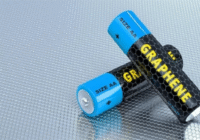
North America Graphene Battery Market sees boost from EV tech in the U.S.

North America Graphene Battery Market to be led by the U.S., driven by EV tech advances and growing demand for renewable energy storage from 2026 to 2030F. According to the latest TechSci Research report, titled “North America Graphene Battery Market – By Country, Competition, Forecast & Opportunities, 2020-2030F,” the market was valued at USD 106.78 million in 2024 and is projected to reach USD 394.51 million by 2030, growing at a remarkable CAGR of 24.34% during the forecast period. This strong growth trajectory reflects the region’s increasing reliance on advanced energy storage technologies to power everything from electric vehicles to wearable electronics and portable medical devices. Consumer Electronics Driving Demand for Graphene Batteries A major factor fueling the expansion of the graphene battery market in North America is the rapid growth of the consumer electronics sector. The demand for lightweight, compact, and high-performance devices—such as smartphones, smartwatches, tablets, and home automation systems—has surged in recent years. Consumers now expect their devices to offer longer battery life, faster charging, and better thermal stability, even during intensive use. While traditional lithium-ion batteries have served the market well, they come with limitations in terms of energy density, thermal resistance, and charging times. Graphene batteries, on the other hand, offer superior performance in all these aspects. Thanks to their unique nanostructure, graphene batteries facilitate faster ion and electron transport, significantly reducing charging times from hours to just minutes while enhancing overall safety and extending cycle life. These attributes make graphene batteries especially ideal for emerging technologies such as augmented reality headsets, foldable smartphones, and compact drones. In response to consumer demand, leading North American tech companies like Apple, Google, and Amazon are accelerating research into graphene-based energy solutions. These companies are collaborating with nanotechnology startups and academic labs to prototype smaller, faster-charging battery modules tailored for next-gen personal devices. The growing shift toward wireless charging and energy-harvesting systems further reinforces the relevance of graphene batteries, which offer superior compatibility with modern power delivery methods. Academic-Industry Collaboration Fostering Innovation A key trend shaping the North American graphene battery market is the increasing collaboration between academic institutions and private sector companies. Universities in the United States and Canada with strong programs in materials science and nanotechnology are forming strategic partnerships with battery developers to accelerate innovation, commercialization, and scalability. These partnerships, often supported by federal research grants and government innovation programs, aim to develop new graphene synthesis techniques, optimize battery chemistries, and improve large-scale manufacturing methods. Techniques like green chemical processing and roll-to-roll manufacturing are being explored to make graphene production more cost-effective and environmentally friendly. These academic-industry collaborations are also giving rise to co-authored research publications, joint ventures, and new intellectual property portfolios, driving standardization across the industry. By combining theoretical research with real-world application testing, stakeholders are able to bring promising graphene battery technologies closer to market readiness. This synergy is expected to create a robust innovation ecosystem that strengthens North America’s position as a global leader in next-generation battery technology. Healthcare: A Fast-Growing Application Segment Among the various application segments, healthcare stands out as the fastest-growing sector in the North America graphene battery market. The healthcare industry’s increasing reliance on portable and energy-efficient medical devices is fueling demand for advanced batteries that can deliver consistent, safe, and long-lasting power. Devices such as pacemakers, insulin pumps, hearing aids, portable oxygen concentrators, and remote patient monitoring systems require compact and reliable batteries capable of performing under critical conditions. As the region grapples with an aging population and a rise in chronic health conditions, the demand for continuous and personalized healthcare solutions is rising. Wearable health monitoring devices, which often require high energy density and quick recharging capabilities, are increasingly powered by graphene-enhanced batteries. Additionally, the development of medical robotics, diagnostic tools, and advanced imaging equipment has necessitated high-performance batteries that meet stringent safety and performance standards. Graphene batteries, known for their stability and energy efficiency, are emerging as the preferred option for these applications. With ongoing advancements in personalized medicine and telehealth, the healthcare segment is expected to remain a key driver of market growth. Browse over XX market data Figures spread through XX Pages and an in-depth TOC on the “North America Graphene Battery Market”https://www.techsciresearch.com/report/north-america-graphene-battery-market/28793.html Mexico: The Emerging Powerhouse in the Region When it comes to country-level growth, Mexico is rapidly establishing itself as the fastest-growing market for graphene batteries in North America. This growth is fueled by a combination of strategic advantages, including its geographic location, which facilitates seamless trade within the region, and an increasingly favorable investment climate. Mexico’s government has launched several initiatives to support innovation in energy technologies and promote sustainable industrial practices. As the country works toward reducing carbon emissions and increasing renewable energy adoption, the demand for efficient and scalable energy storage solutions is on the rise. Industries such as automotive, aerospace, and electronics—all key users of advanced batteries—are expanding rapidly in Mexico, creating strong opportunities for graphene battery manufacturers and researchers alike. Moreover, Mexico is emerging as a hub for R&D and manufacturing, attracting international investment and fostering local innovation ecosystems. With continued support for technology-driven growth, the country is expected to play a pivotal role in shaping the future of graphene batteries in North America. Outlook As technological innovation, consumer expectations, and environmental imperatives converge, the North America Graphene Battery Market is set for substantial expansion over the next decade. Driven by cutting-edge applications in electronics, healthcare, and clean energy, and supported by strong academic-industry collaboration, the market is positioned to redefine how energy is stored and used across various sectors. With the U.S. leading adoption, Mexico emerging as a rising player, and Canada contributing through research and regulation, the region is creating a vibrant, interconnected ecosystem that could set global benchmarks in next-generation energy storage. Key market players in the North America Graphene Battery market are: –… Read More: North America Graphene Battery Market sees boost from EV tech… »