Category Archives: Power

Modular Chillers Market Driven by HVAC Demand and Regulatory Support

The global Modular Chillers Market will be led by North America, driven by rising HVAC demand and strong regulatory incentives during 2026–2030F. According to the TechSci Research report titled “Modular Chillers Market – Global Industry Size, Share, Trends, Competition Forecast & Opportunities, 2030F,” the global modular chillers market was valued at USD 3.1 billion in 2024 and is projected to reach USD 4.6 billion by 2030, growing at a robust CAGR of 6.7% during the forecast period. The market’s expansion is being driven by a surge in demand for flexible, scalable, and energy-efficient HVAC (heating, ventilation, and air conditioning) solutions across industrial, commercial, and residential sectors. As urbanization intensifies and infrastructure continues to expand, the need for dynamic cooling systems that can be tailored to varying loads and space constraints is rising. Modular chillers, which can be added or removed in units to match cooling demand, offer a practical and efficient solution. Their modular design allows for phased installation and easier maintenance, enabling businesses to respond flexibly to changing cooling requirements. This makes them particularly well-suited for applications such as data centers, hospitals, hotels, and office buildings—environments where cooling loads can vary significantly over time. Technological Integration Fuels Market Growth A key factor boosting the adoption of modular chillers is the ongoing advancement of smart building technologies. Integration with Building Management Systems (BMS) and the Internet of Things (IoT) is enhancing the operational efficiency and intelligence of modular chillers. These systems allow for real-time monitoring, fault detection, and performance optimization. Predictive maintenance features, enabled by advanced analytics, help reduce downtime and extend the life of HVAC systems. These innovations not only drive operational efficiency but also reduce energy consumption and costs. As building operators and facility managers become increasingly aware of the long-term benefits of automation and predictive maintenance, the demand for technologically advanced modular chillers continues to climb. Retrofitting and Sustainable Infrastructure Drive Demand Retrofitting older buildings with modern, energy-efficient HVAC systems is another significant growth driver. Modular chillers are well-suited for these projects due to their compact size, ease of installation, and compatibility with existing systems. For commercial and residential structures undergoing renovations, modular chillers present an opportunity to upgrade cooling capabilities without the need for a complete infrastructure overhaul. Moreover, as global awareness around energy efficiency and environmental sustainability increases, businesses are seeking HVAC solutions that align with green building standards. Modular chillers, known for their reduced environmental footprint, are becoming an integral component in eco-conscious building designs. Product Type Insights: Air-Cooled Modular Chillers Dominate By product type, the air-cooled modular chillers segment led the global market in 2024 and is expected to maintain its dominance throughout the forecast period. Air-cooled chillers offer several advantages that make them highly attractive, including cost-efficiency, ease of installation, and low maintenance requirements. Unlike water-cooled systems, air-cooled chillers do not need a separate water source, cooling towers, or extensive piping systems. This reduces both upfront investment and ongoing operational costs. These chillers are especially preferred in regions where water resources are scarce or costly. Their compact and self-contained design makes them ideal for installation in buildings with limited mechanical space or in retrofit scenarios. With advancements in technology—such as variable-speed drives and enhanced heat exchanger designs—air-cooled chillers are becoming more energy-efficient and reliable. The adoption of air-cooled chillers is also supported by increasingly stringent environmental regulations. Governments across the globe are promoting the use of low-emission, energy-saving HVAC systems, and air-cooled chillers are well-positioned to meet these standards. Additionally, businesses seeking LEED or other green building certifications often opt for air-cooled solutions to align with sustainability goals. Browse over XX market data Figures spread through XX Pages and an in-depth TOC on the “Global Modular Chillers Market”https://www.techsciresearch.com/report/modular-chillers-market/28789.html Regional Insights: Asia Pacific Leads in Growth Potential While North America currently leads the modular chillers market in terms of value, the Asia Pacific region is emerging as the fastest-growing market during the forecast period. The rapid pace of urban development, infrastructure expansion, and industrialization in countries like China, India, Japan, and those in Southeast Asia is fueling demand for efficient and scalable HVAC systems. In densely populated urban centers, the need for compact and adaptable cooling solutions is critical. Modular chillers meet these needs with their flexible installation and efficient operation. Furthermore, as the region invests heavily in smart cities and green building initiatives, the adoption of modular chillers is being accelerated. Governments across Asia Pacific are also offering incentives for energy-efficient technologies, while developers and corporations are becoming more committed to sustainable practices. The expanding data center sector in India and China—driven by increased digitalization and cloud computing—has also created significant demand for reliable, modular cooling systems. Moreover, as emerging economies prioritize the modernization of public infrastructure and commercial spaces, the demand for advanced HVAC systems continues to grow. Manufacturers are responding by offering region-specific product lines that meet both regulatory requirements and localized performance needs. Outlook and Opportunities Looking ahead, the global modular chillers market is expected to benefit from continued innovation in energy efficiency, government support for sustainable building technologies, and the increasing need for climate control systems in new and retrofit construction projects. The ability of modular chillers to provide flexible, cost-effective, and environmentally friendly cooling solutions positions them as a key component in the future of HVAC infrastructure. With the confluence of technological innovation, regulatory momentum, and evolving consumer demand, the modular chillers market is on a strong growth trajectory through 2030 and beyond. Key market players in the Modular Chillers Market are: –… Read More: Modular Chillers Market Driven by HVAC Demand and Regulatory Support »
Saudi Arabia LNG Engine Market Boosted By Push For Sustainable Energy

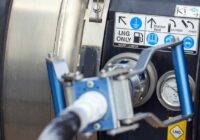
Saudi Arabia LNG engine market is rising as demand grows for cleaner, sustainable energy, with LNG emerging as a key alternative to traditional fuels in 2026–2030. According to a recent report by TechSci Research titled “Saudi Arabia LNG Engine Market – By Region, Competition, Forecast and Opportunities, 2030F”, the Saudi Arabia LNG engine market was valued at USD 1.1 billion in 2024 and is expected to reach USD 2.25 billion by 2030, registering a robust CAGR of 12.5% during the forecast period. This substantial growth is primarily driven by the country’s strategic utilization of its abundant domestic natural gas reserves and a national emphasis on cleaner, more efficient energy technologies. Saudi Arabia holds significant natural gas resources, positioning it as a formidable player in the global LNG (liquefied natural gas) landscape. The efficient extraction, processing, and use of natural gas have laid a solid foundation for the local LNG industry, which in turn fuels the expansion of LNG-powered engines across multiple sectors. By leveraging locally produced LNG, the country reduces its reliance on imported fuels, thereby enhancing national energy security while promoting economic resilience. This localized LNG production ensures a stable and cost-effective fuel supply for domestic consumption, particularly for sectors such as power generation, transportation, and maritime shipping. Moreover, the move towards LNG aligns with Saudi Arabia’s broader environmental goals, including reduced greenhouse gas emissions and sustainable development as part of the national Vision 2030 roadmap. Jeddah: A Strategic Growth Hub in the LNG Engine Market Among the key regions propelling the growth of the Saudi Arabian LNG engine market, Jeddah stands out as the fastest-growing. Located on the Red Sea coast, Jeddah’s strategic geographic position plays a crucial role in its emergence as a major LNG engine hub. As a gateway for international trade and maritime transportation, the city is a vital industrial and commercial center where LNG adoption is rapidly increasing. The Port of Jeddah, one of the busiest ports in the Middle East, is central to this growth. As global shipping standards tighten, particularly with the International Maritime Organization (IMO) enforcing stricter emission limits, LNG engines are becoming increasingly attractive for marine operators. LNG-powered vessels offer significant reductions in pollutants like sulfur oxides (SOx), nitrogen oxides (NOx), and particulate matter compared to traditional marine fuels such as heavy fuel oil (HFO). To support this transition, the region has invested heavily in LNG bunkering infrastructure, including terminals and fueling stations. These facilities enable efficient refueling of LNG-powered ships, enhancing Jeddah’s competitiveness as a clean-energy maritime hub. Furthermore, these developments align with national goals to promote sustainable energy infrastructure and decarbonize the transport and logistics sectors. Government policies have also played a pivotal role in enabling this transformation. Saudi Arabia’s Vision 2030 initiative includes supportive regulations, tax incentives, and funding for LNG projects, encouraging public-private partnerships and attracting international investors to regions like Jeddah. This conducive environment positions the city as a blueprint for LNG engine adoption throughout the kingdom. Power Generation Segment Leads Market Adoption In 2024, the Power Generation end-use segment emerged as the dominant force within the Saudi Arabia LNG engine market—a trend expected to persist through 2030. This leadership is anchored in the government’s long-term energy diversification strategy, which aims to reduce the country’s dependency on oil and transition towards more sustainable and cleaner energy sources. LNG engines are especially well-suited for power generation due to their high efficiency, operational reliability, and lower environmental impact. With the kingdom facing growing electricity demand driven by rapid urbanization, industrial development, and population growth, there is increasing pressure to deploy energy solutions that are both economically and environmentally sustainable. Investments in LNG-powered power plants are growing steadily, backed by state-sponsored initiatives to modernize energy infrastructure and promote clean technologies. LNG engines are being adopted for both grid-connected and off-grid power applications, enhancing energy access and reliability in remote areas. This not only supports national electrification goals but also contributes to reduced carbon emissions in line with Saudi Arabia’s climate commitments. While the marine sector continues to be a vital contributor to LNG engine demand, especially in port cities like Jeddah and Dammam, it is the power generation segment that accounts for the largest share of the market. The segment’s resilience is underpinned by large-scale infrastructure projects and strong government backing, indicating sustained momentum in the years to come. Browse over XX market data Figures spread through XX Pages and an in-depth TOC on the “Saudi Arabia LNG Engine Market”https://www.techsciresearch.com/report/saudi-arabia-lng-engine-market/21276.html Future Outlook and Market Implications The outlook for the Saudi Arabia LNG engine market is undeniably positive. Several converging trends—abundant domestic natural gas reserves, government-led sustainability goals, and global shifts toward cleaner fuels—are collectively driving the market forward. The emphasis on energy security, technological innovation, and sustainable growth continues to shape the adoption of LNG engines in power plants, ships, heavy vehicles, and industrial operations. Regions like Jeddah are leading the charge, demonstrating how strategic investments in LNG infrastructure and policy support can catalyze sector-wide transformation. The rapid deployment of LNG engines in both maritime and land-based applications underscores Saudi Arabia’s evolving energy narrative—one that is increasingly green, diversified, and innovation-driven. As Vision 2030 initiatives continue to unfold and global demand for sustainable energy rises, Saudi Arabia is well-positioned to become a regional powerhouse in the LNG engine market. With a strong foundation in natural resources, proactive policy frameworks, and ambitious infrastructure projects, the country is poised to play a central role in the global clean energy transition. Key market players in the Saudi Arabia LNG Engine Market are:… Read More: Saudi Arabia LNG Engine Market Boosted By Push For Sustainable… »

Saudi Arabia Solar Panel Market Growth Driven by Renewable Energy Goals

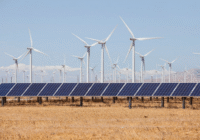
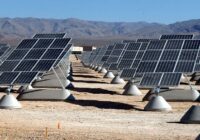
Saudi Arabia solar energy panel market grows as the nation diversifies energy, cuts fossil fuel use, and advances sustainability through bold renewable initiatives (2026–2030F). The Saudi Arabia solar energy panel market is experiencing significant growth, driven by the country’s commitment to renewable energy, diversification of energy sources, and the transition away from fossil fuels. According to the TechSci Research report, “Saudi Arabia Solar Energy Panel Market – By Region, Competition, Forecast, and Opportunities, 2030F,” the market was valued at USD 350 million in 2024 and is projected to reach USD 929.37 million by 2030, with a robust compound annual growth rate (CAGR) of 17.5% during the forecast period. This growth is fueled by both government initiatives and private sector investments that are transforming Saudi Arabia into a global leader in solar energy production. A major catalyst behind the growth of the solar energy panel market is the Renewable Energy Project Development Office (REPDO), which plays a crucial role in driving the expansion of solar energy projects across the kingdom. REPDO’s competitive bidding process for utility-scale solar projects ensures transparency and cost-effectiveness while attracting both local and international investors. By facilitating competition among solar companies, REPDO is not only driving down project costs but also fostering technological advancements that improve the efficiency and sustainability of solar panels. High-profile projects like the Sakaka and Sudair solar plants are prime examples of the success of this competitive bidding process and its contribution to the kingdom’s renewable energy targets. These bidding processes are not only economic but also technological, as they encourage innovation in solar technology. As companies compete for contracts, there is a strong push toward creating more efficient solar panels that can generate power at a lower cost, driving the evolution of solar energy solutions in the country. Saudi Arabia’s strategy of diversifying its energy mix with a significant focus on solar energy is poised to reshape the kingdom’s energy sector, reducing its dependency on fossil fuels and mitigating geopolitical risks associated with oil production. By investing heavily in solar energy, Saudi Arabia is positioning itself as a major player in global renewable energy efforts and contributing to environmental sustainability. One of the fastest-growing regions for solar energy panel adoption in Saudi Arabia is Jeddah. Located along the Red Sea coast, Jeddah benefits from an abundance of sunlight year-round, making it an ideal location for solar energy generation. The region’s high solar irradiance levels and expansive desert landscapes provide the perfect conditions for large-scale solar installations. Jeddah’s economic role as an industrial and commercial hub further accelerates its adoption of solar energy, as the city seeks to meet its growing energy demands while diversifying its energy mix. Jeddah’s strategic location also plays a key role in its leadership within the solar panel market. The city is equipped with a well-developed infrastructure, including sea ports and airports, that facilitates the importation of solar panels, equipment, and technology from international manufacturers. This accessibility to advanced solar technologies ensures that Jeddah remains at the forefront of solar energy innovation, enabling faster deployment of solar panels across residential, commercial, and industrial sectors. The Saudi government’s Vision 2030 initiative further supports Jeddah’s rapid growth in the solar energy sector. Vision 2030 aims to reduce the kingdom’s dependence on oil and promote sustainable development. In line with this vision, the government has set ambitious renewable energy targets, with solar power being a key contributor to the country’s energy mix. The Renewable Energy Project Development Office (REPDO) has played a pivotal role in fostering this growth by implementing policies that incentivize solar energy adoption, offering favorable tax breaks, subsidies, and an overall favorable regulatory environment for investors. Browse over XX market data Figures spread through XX Pages and an in-depth TOC on the “Saudi Arabia Solar Energy Panel Market”https://www.techsciresearch.com/report/saudi-arabia-solar-energy-panel-market/20718.html In addition to the government’s push for solar energy, Jeddah’s vibrant business ecosystem also plays a role in the city’s solar energy expansion. The city is home to numerous renewable energy startups, technology firms, and engineering companies specializing in solar panel installation and maintenance. These local enterprises contribute to innovation, lower installation costs, and expand access to solar energy solutions for both commercial and residential consumers. The commercial sector is the dominant driver of the solar energy panel market in Saudi Arabia, and this trend is expected to continue through 2030. Businesses, institutions, and government organizations are increasingly adopting solar energy solutions to reduce operational costs and their carbon footprints. Commercial buildings, industrial facilities, and government projects are investing heavily in solar panels to take advantage of Saudi Arabia’s abundant sunlight and the financial benefits of reduced energy bills. These large-scale installations, including rooftop solar panels on commercial buildings, play a major role in the expansion of the market. While the residential sector is also seeing growth, the commercial sector’s scale and energy consumption contribute significantly to the market share. As the government continues to prioritize sustainable development and energy diversification, the demand for solar energy in the commercial sector will remain strong. Businesses and institutions are committed to integrating solar energy into their operations as part of their corporate sustainability initiatives, making the commercial application segment a critical driver of growth in the Saudi Arabia solar energy panel market. In conclusion, Saudi Arabia’s solar energy panel market is set for rapid expansion in the coming years. The country’s commitment to renewable energy, coupled with strategic initiatives such as REPDO’s competitive bidding process and Vision 2030, is driving the growth of the solar sector. Jeddah’s geographic advantage, infrastructure, and thriving business ecosystem are making it a hub for solar energy adoption, while the commercial sector remains the dominant force behind market growth. With continued government support and investments in technology, Saudi Arabia is well-positioned to become a global leader in solar energy, contributing to its long-term energy security and environmental sustainability. Key market players in the Saudi Arabia Solar Energy Panel Market are: – ACWA Power InternationalFirst… Read More: Saudi Arabia Solar Panel Market Growth Driven by Renewable Energy… »

Saudi Arabia Solar Energy Solutions Market Sees Boost From Vision 2030

Saudi Arabia solar energy solutions market is growing due to energy diversification goals, reduced fossil fuel reliance, and rising solar adoption from 2026 to 2030F. According to a recent report by TechSci Research titled “Saudi Arabia Solar Energy Solutions Market – By Region, Competition, Forecast and Opportunities, 2030F”, the Saudi Arabia solar energy solutions market was valued at USD 2.5 billion in 2024 and is projected to reach USD 7.72 billion by 2030, growing at a robust CAGR of 20.5% during the forecast period. This significant growth highlights the kingdom’s strategic transition toward sustainable energy alternatives and its broader commitment to diversifying the national energy mix. As one of the world’s largest oil producers, Saudi Arabia recognizes the importance of reducing its heavy reliance on fossil fuels. The government has acknowledged that ensuring long-term energy security and stability necessitates a broader, more diversified portfolio. Solar energy solutions have emerged as a central component in this transformation. Leveraging its abundant solar resources, Saudi Arabia is actively investing in technologies that can generate clean energy, lower carbon emissions, and align the country with global environmental standards. This strategic pivot plays a critical role in achieving the goals outlined in Vision 2030, the kingdom’s ambitious blueprint for economic and environmental transformation. By expanding its renewable energy capacity—particularly through solar initiatives—Saudi Arabia aims to enhance its energy independence, reduce vulnerability to geopolitical and market fluctuations, and contribute meaningfully to the global fight against climate change. Moreover, this transition strengthens domestic energy resilience by reallocating more of the oil currently used for electricity generation toward export or industrial use. This shift not only improves the country’s economic outlook but also ensures a more sustainable future for coming generations. Regional Spotlight: Jeddah Emerges as a Solar Energy Hub Among the various regions in Saudi Arabia, Jeddah has emerged as the fastest-growing center for solar energy solutions. Several strategic factors contribute to the region’s prominence in the solar landscape. Located along the Red Sea, Jeddah benefits from high solar irradiance levels and a desert climate, making it one of the most suitable locations in the kingdom for solar photovoltaic (PV) installations. The city experiences abundant sunlight throughout the year, providing optimal conditions for generating solar power on both small and large scales. Jeddah’s growth is also driven by strong alignment with Vision 2030, which encourages clean energy expansion as part of the nation’s broader economic diversification efforts. The city is actively involved in multiple renewable energy initiatives, including the Jeddah Renewable Energy Project, which aims to deploy solar farms and rooftop installations to meet regional energy demand and enhance grid reliability. Another key driver is the vibrant commercial and industrial base of Jeddah. The region serves as a major economic and logistical hub, hosting industries such as construction, hospitality, manufacturing, and retail. Many of these businesses are investing in solar solutions to reduce operational expenses and demonstrate corporate environmental responsibility. Solar PV systems are becoming a practical, cost-saving, and sustainable solution, especially for companies seeking long-term energy efficiency and a reduction in their carbon footprint. Government support has further accelerated Jeddah’s rise as a solar leader. The Saudi government has introduced regulatory incentives, such as tax benefits, subsidies, and streamlined permitting processes, to encourage solar adoption. These measures, along with growing public-private partnerships, have led to an influx of investment in renewable projects. Local and international developers are increasingly targeting Jeddah for large-scale solar deployments, capitalizing on the region’s favorable climate, infrastructure, and business environment. Browse over XX market data Figures spread through XX Pages and an in-depth TOC on the “Saudi Arabia Solar Energy Solutions Market”https://www.techsciresearch.com/report/saudi-arabia-solar-energy-solutions-market/20714.html Application Trends: Agriculture & Horticulture Leads Solar Adoption In terms of application, the Agriculture & Horticulture segment dominated the Saudi solar energy solutions market in 2024 and is expected to maintain its leadership through 2030. The kingdom’s agriculture sector, though limited by arid conditions, is undergoing a transformation through the integration of renewable energy technologies. Solar-powered solutions are being widely adopted in agriculture to power irrigation systems, run greenhouses, and support on-site energy needs for rural farms. The use of solar irrigation is particularly notable, offering a cost-effective and environmentally friendly alternative to diesel or grid-powered systems. These systems not only reduce dependence on traditional energy but also help farmers manage costs and improve productivity in off-grid areas. One promising trend is the growing adoption of agrivoltaics, where solar panels are installed above crops, enabling dual use of land for farming and energy production. This approach is especially relevant in regions like Saudi Arabia, where optimizing land use is critical due to water scarcity and limited arable land. The government’s emphasis on food security and sustainable agriculture under Vision 2030 further propels this segment’s growth. Supportive policies and financial incentives for farmers to adopt solar-powered equipment have made it easier for agricultural operations to transition to clean energy sources. As the push for sustainable agriculture intensifies, the Agriculture & Horticulture segment is expected to remain at the forefront of solar adoption. Its continued growth will contribute significantly to the kingdom’s goals of improving energy efficiency, ensuring rural electrification, and creating a resilient and eco-friendly agricultural ecosystem. Conclusion Saudi Arabia’s solar energy solutions market is poised for sustained and accelerated growth through 2030, driven by strong government initiatives, abundant solar resources, and increasing demand for clean, cost-effective power. Regions like Jeddah are leading the charge, backed by strategic investments and industrial demand. Meanwhile, the agricultural sector is making major strides with solar-powered innovations, helping the kingdom build a more secure and diversified energy future. As the country continues its journey toward renewable energy leadership, solar solutions will remain a cornerstone of its strategy to achieve economic, environmental, and energy transformation in line with Vision 2030. Key market players in the Saudi Arabia Solar Energy… Read More: Saudi Arabia Solar Energy Solutions Market Sees Boost From Vision… »

Saudi Arabia Power Transmission Lines And Towers Market Adopts Smart Grid

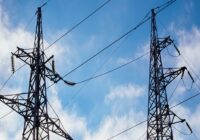
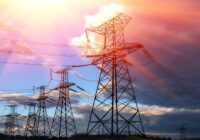
Saudi Arabia power transmission lines and towers market grows with smart grid adoption and expanding transmission infrastructure in industrial zones from 2026 to 2030. According to a recent report by TechSci Research titled “Saudi Arabia Power Transmission Lines & Towers Market – By Region, Competition, Forecast & Opportunities, 2030F,” the Saudi Arabia power transmission lines and towers market was valued at USD 1.86 billion in 2024. The market is projected to reach USD 2.93 billion by 2030, growing at a CAGR of 7.72% during the forecast period. This robust growth trajectory is attributed to large-scale infrastructure investments, increased electricity demand, renewable energy integration, and grid modernization efforts aligned with the country’s Vision 2030 objectives. Increasing Power Demand and Infrastructure Modernization Saudi Arabia is witnessing a surge in electricity demand driven by rapid urbanization, industrial expansion, and the development of megaprojects such as NEOM, The Line, and Qiddiya. These projects are not only reshaping the country’s urban landscape but also placing immense pressure on the existing electricity transmission infrastructure. To meet this growing demand, the government and private sector stakeholders are heavily investing in high-voltage transmission lines, particularly 400 kV and 500 kV systems, which are essential for transporting electricity efficiently across long distances. These upgrades help reduce transmission losses and ensure stable and reliable power delivery to urban and industrial zones. Vision 2030 and Smart Grid Initiatives Saudi Arabia’s Vision 2030 is a central policy driver reshaping the energy and infrastructure sectors. The vision emphasizes sustainability, innovation, and economic diversification, including a significant focus on expanding the renewable energy footprint. As the country integrates solar and wind energy into the national grid, there is an increasing need for modern transmission towers and lines capable of supporting intermittent renewable sources and long-distance transmission from remote power plants to population centers. The adoption of smart grid technologies is further accelerating this transition. By incorporating IoT-enabled monitoring systems and AI-based predictive maintenance, transmission infrastructure is becoming more intelligent, resilient, and efficient. These technologies help utilities monitor performance in real time, detect potential faults, and optimize energy flow, thereby improving grid reliability and efficiency. Emergence of HVDC Technology A key technological advancement driving market growth is the High Voltage Direct Current (HVDC) transmission system. HVDC lines are preferred for long-distance and high-capacity power transfer due to their ability to minimize energy losses compared to traditional AC systems. As Saudi Arabia expands its renewable energy capacity—especially in remote desert regions—HVDC infrastructure is becoming increasingly vital for connecting these sites to urban load centers. Regional Power Interconnectivity and Cross-Border Trade Saudi Arabia is actively pursuing regional grid interconnections to enhance energy security and promote cross-border electricity trade. A notable example is the Saudi-Egypt power interconnection project, which will enable the exchange of up to 3,000 MW of electricity between the two nations. Similar projects with GCC countries (such as the UAE and Kuwait) and Jordan are being planned or are under development. These initiatives not only enhance energy reliability and flexibility but also boost the demand for high-voltage transmission towers and lines as cross-border transmission capacity expands. Market Segmentation: Transmission Lines Lead the Way Among the product segments, transmission lines are the fastest-growing category in the Saudi Arabia power transmission lines and towers market. This growth is fueled by increased electricity consumption, fast-paced industrialization, and the execution of large-scale infrastructure projects. To support power generation from new renewable energy facilities—such as the Neom Green Hydrogen Project and the Red Sea Solar Park—Saudi Arabia needs to expand its high-voltage transmission network. These projects are strategically designed to contribute to the kingdom’s long-term sustainability goals while also boosting its position as a global energy leader. Transmission lines are essential for facilitating power flow from renewable sites to cities, industrial hubs, and neighboring countries. The increasing deployment of HVDC lines further strengthens this segment’s outlook, making it a central pillar of the country’s evolving power infrastructure. Browse over XX market data Figures spread through XX Pages and an in-depth TOC on the ” Saudi Arabia Power Transmission Lines & Towers Market”https://www.techsciresearch.com/report/saudi-arabia-power-transmission-lines-towers-market/27767.html Regional Outlook: Makkah Emerges as a Growth Hotspot Based on regional analysis, Makkah is projected to be the fastest-growing region in the Saudi Arabia power transmission lines and towers market over the forecast period. Several factors contribute to this trend: Conclusion The Saudi Arabia power transmission lines and towers market is entering a dynamic phase of transformation. With strong government backing, technological advancements, and a growing emphasis on sustainability and smart infrastructure, the sector is set for sustained growth through 2030. From integrating renewable energy and adopting HVDC technologies to expanding cross-border interconnectivity and smart grid systems, the country is laying a robust foundation for a modern, resilient power network. Regions like Makkah are at the forefront of this evolution, positioning Saudi Arabia as a leader in power infrastructure innovation and regional energy cooperation. Key market players in the… Read More: Saudi Arabia Power Transmission Lines And Towers Market Adopts Smart… »

Saudi Arabia Utility Poles Market Trends Favor Advanced Pole Materials

Saudi Arabia utility poles market is growing due to rising demand for smart poles and a shift toward composite and steel poles from 2026 to 2030F. According to a recent TechSci Research report titled “Saudi Arabia Utility Poles Market – By Region, Competition, Forecast & Opportunities, 2030F”, the Saudi Arabia utility poles market was valued at USD 1.16 billion in 2024 and is projected to reach USD 1.58 billion by 2030, growing at a compound annual growth rate (CAGR) of 5.12% during the forecast period. The market is undergoing a significant transformation, primarily driven by the transition from traditional wooden utility poles to more durable and efficient composite and steel alternatives. Growing Demand for Durable Materials Amid Harsh Climate Conditions The Kingdom’s extreme weather conditions, with summer temperatures frequently exceeding 50°C, have raised concerns about the longevity and safety of wooden utility poles. Wood tends to deteriorate rapidly under such heat and is vulnerable to fire, pests, and moisture-related damage. In contrast, composite and steel poles offer enhanced resistance to fire, corrosion, and mechanical stress, making them far more suitable for Saudi Arabia’s demanding environment. Steel utility poles are increasingly preferred in urban and high-load applications due to their high structural strength, load-bearing capacity, and minimal maintenance needs. These poles are ideal for high-voltage transmission lines, where reliability and long service life are paramount. Meanwhile, composite utility poles, manufactured using materials like fiberglass and reinforced polymers, are lightweight, non-conductive, and resistant to chemical exposure. This makes them especially valuable in coastal regions and industrial zones where corrosion poses a significant challenge. Government Initiatives and Infrastructure Expansion Driving Market Growth Saudi Arabia’s utility poles market is benefiting significantly from the government’s ongoing infrastructure development efforts and power grid modernization. Under the ambitious Vision 2030 framework, the Kingdom is investing heavily in renewable energy, urban expansion, and national grid upgrades. This strategic shift is accelerating the adoption of advanced materials in utility pole manufacturing. Utility companies and telecom operators are increasingly seeking long-term, cost-effective solutions that reduce operational expenses and enhance infrastructure resilience. Composite and steel poles meet these requirements by offering a longer lifespan and reduced lifecycle costs compared to traditional materials. As part of its national sustainability goals, Saudi Arabia is also focusing on eco-friendly and recyclable materials. Composite poles, known for their low environmental impact during production and recyclability at end-of-life, align well with these green objectives. Domestic companies and international manufacturers operating in the Kingdom are investing in research and development to improve pole strength, reduce costs, and enhance material performance. Rising Adoption of Utility Poles in Key Sectors Looking ahead, the shift toward non-wood utility poles is expected to gain further momentum, particularly in fast-evolving sectors such as renewable energy, telecommunications, and smart grid development. As cities expand and power networks grow, there is an increasing demand for robust, long-lasting poles capable of supporting modern energy and communication infrastructure. This trend is evident in the increasing number of renewable energy projects—especially solar and wind farms—being launched across Saudi Arabia. These projects require extensive transmission networks that can efficiently transport electricity from remote power generation sites to urban centers, thereby boosting the need for durable transmission poles. Browse over XX market data Figures spread through XX Pages and an in-depth TOC on the ” Saudi Arabia Utility Poles Market”https://www.techsciresearch.com/report/saudi-arabia-utility-poles-market/27774.html Transmission Poles: The Fastest Growing Segment by Type Among the various pole types, transmission poles are emerging as the fastest-growing segment in the Saudi Arabia utility poles market. This growth is driven by a combination of factors including surging energy demand, expanding urban infrastructure, and strategic government initiatives aimed at strengthening the national grid. Saudi Arabia’s focus on upgrading its power transmission infrastructure aligns with its broader renewable energy goals. Transmission poles, particularly those made from galvanized steel and composite materials, offer high load capacity, exceptional weather resistance, and a long service life—features that are vital for high-voltage, long-distance power lines. As smart grid deployment and renewable integration continue, the role of transmission poles becomes increasingly central to ensuring energy reliability and efficiency. Technological advancements in pole design and materials are also improving ease of installation, enhancing durability, and reducing maintenance costs, all of which are contributing to the segment’s rapid growth. Makkah: The Fastest Growing Regional Market Regionally, Makkah is projected to be the fastest-growing market for utility poles in Saudi Arabia during the forecast period. The city’s rapid urbanization, infrastructural development, and increasing electricity demand—especially during the Hajj season—are driving a surge in utility pole installations. Massive development projects tied to religious tourism, including upgrades to the Grand Mosque area and the expansion of transportation systems like the Makkah Metro, are significantly increasing the need for reliable power and telecommunications infrastructure. These initiatives require the deployment of modern utility poles that can ensure consistent service and withstand environmental stressors. The regional government’s alignment with Vision 2030 goals, including smart city development and renewable energy integration, is further accelerating market growth in Makkah. Investments in solar energy projects and the expansion of the power grid to support new housing and commercial developments are contributing to increased demand for steel and composite utility poles. Given Makkah’s exposure to extreme heat, sandstorms, and other environmental challenges, utility providers are prioritizing the use of corrosion-resistant, fireproof materials such as galvanized steel and composite poles to ensure system reliability. Conclusion The Saudi Arabia utility poles market is poised for strong growth through 2030, fueled by a nationwide push for infrastructure modernization, increasing focus on sustainability, and the adoption of advanced materials like steel and composites. With rising energy needs, smart grid integration, and large-scale development projects underway, both public and private sector stakeholders are expected to continue investing in innovative and durable utility pole solutions. As Transmission Poles lead the market by type and Makkah emerges as the fastest-growing regional hub, the utility poles market in Saudi Arabia is transitioning into a new era of technological and material innovation. Key market players in the Saudi Arabia… Read More: Saudi Arabia Utility Poles Market Trends Favor Advanced Pole Materials »

Hybrid Cell Market Sees Growth from Biotech and Healthcare Investments

Hybrid Cell Market driven by renewable energy needs, biotech advances, drug discovery, and rising investments in efficient healthcare and hybrid cell tech solutions. According to the TechSci Research report, “Hybrid Cell Market – Global Industry Size, Share, Trends, Competition Forecast & Opportunities, 2030F,” the global hybrid cell market was valued at USD 4.08 billion in… Read More: Hybrid Cell Market Sees Growth from Biotech and Healthcare Investments »

Renewable-Bio Jet Fuel Market Expands with Global Push for Carbon Neutrality

Renewable-bio jet fuel market grows with stricter emission norms, sustainable fuel adoption, government support, and tech advances aiming for aviation carbon neutrality. According to a recent report by TechSci Research titled “Renewable/Bio Jet Fuel Market – Global Industry Size, Share, Trends, Competition Forecast & Opportunities, 2030F”, the global renewable/bio jet fuel market was valued at… Read More: Renewable-Bio Jet Fuel Market Expands with Global Push for Carbon… »

Single Shaft Turbine Market Gains from Technological Innovations in Energy

Single Shaft Turbine Market is driven by rising demand for efficient power, low maintenance, and tech advances, along with growing renewable energy integration. According to the TechSci Research report titled “Single Shaft Turbine Market – Global Industry Size, Share, Trends, Competition Forecast & Opportunities, 2030F”, the global single shaft turbine market was valued at USD… Read More: Single Shaft Turbine Market Gains from Technological Innovations in Energy »

Camping Power Banks Market Fueled by Demand for Portable Charging

Camping power banks market is driven by outdoor recreation trends, rising off-grid travel, and demand for reliable portable charging for electronic devices. According to a recent TechSci Research report titled “Camping Power Bank Market – Global Industry Size, Share, Trends, Competition Forecast & Opportunities, 2030F,” the global camping power bank market was valued at USD 6.21 billion in 2024 and is… Read More: Camping Power Banks Market Fueled by Demand for Portable Charging »