
According to TechSci Research report, “Global Two-wheeler Market – Industry Size, Share, Trends, Competition, Opportunity, and Forecast, 2018-2028” Global Two-wheeler Market is growing because the two-wheeler industry is anticipated to expand at an impressive CAGR because of rising two-wheeler penetration in the global market and rising two-wheeler use for local commuting and rapid deliveries. The efficacy of the pricing is another element affecting market expansion. Due to the growing population in developing countries and the lack of parking spaces, motorcycles and mopeds have emerged as a practical alternative to cars. Similarly, rising gasoline costs are encouraging people to switch to electric two-wheelers due to their cost-effectiveness and tightening emission regulations across the globe.
Request For Sample Copy of Report For More Detailed Market insight: https://www.techsciresearch.com/sample-report.aspx?cid=1416#requestform
Market Drivers
- Rising Urbanization and Traffic Congestion
With growing urban populations and increasing congestion on city roads, two-wheelers offer a practical, time-efficient, and maneuverable mode of transportation for daily commutes. - Cost-Effective Mobility Option
Two-wheelers are significantly more affordable than cars, both in terms of purchase price and maintenance, making them a preferred choice for middle- and lower-income groups, especially in developing economies. - Fuel Efficiency and Lower Operational Costs
High mileage and low running costs make two-wheelers an economical option, particularly important in regions where fuel prices are volatile or rising. - Growing Demand in Rural and Semi-Urban Areas
In many emerging markets, two-wheelers are vital for personal and commercial transportation in regions where public transport infrastructure is limited or unreliable.
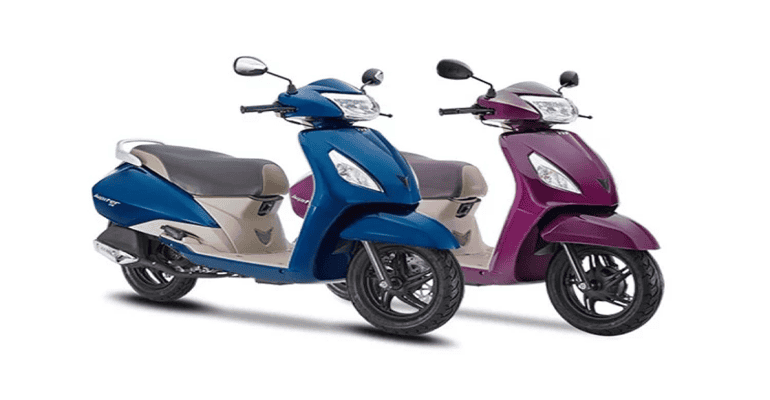
- Increasing Penetration of Electric Two-Wheelers
Environmental concerns and favorable government policies are accelerating the shift from internal combustion engine (ICE) two-wheelers to electric variants, driving new market growth. - Rising Youth Population and Lifestyle Shifts
A growing young population with aspirations for independence and mobility is fueling demand for scooters and motorcycles, especially in countries with expanding middle classes.
Asia Pacific dominates the two-wheelers market globally (with India and China accounting for most of the share). Concerns over COVID-19 contamination on public transportation, clogged roads, and the development of one-person homes in Asia have all contributed to a spike in demand for smaller displacement motorbikes and mopeds during the past two years. New laws are also required as these cars become more prevalent. For instance, Hanoi, the capital city of Vietnam, plans to outlaw motorbikes in all its central districts after 2025 to reduce emissions (Vietnam is the fourth-largest market in Asia in terms of volume sales). These elements will have an impact on market expansion. These emission curbs are increasing the demand of electric two wheelers globally. Therefore, increase in the adoption of electric two wheelers-globally, especially in the emerging countries market is expected to drive the global two-wheeler market. To serve a larger urban client base, Honda, a top producer of motorcycles and scooters, is committed to growing its product selection and electrification lineup. Honda’s biggest market is India. Honda’s largest production base, with a capacity of 6.4 million units, is also in India. Moreover, the corporation can produce 5.8 million units in Indonesia. Indonesia is one of Honda’s biggest scooter markets as a result. To grow the business and maintain the current growth rate, the firm intends to release several e-2W models over the next three years. Also, it has plans to enter the 250 CC and above motorbike sector, which is seeing rapid expansion. Overall, the market is undergoing transformation and during the forecast period, the market will grow as the demand is surging globally.
Browse more than XX market data Figures spread through XX Pages and an in-depth TOC on “Global Two wheeler Market”@https://www.techsciresearch.com/report/global-two-wheeler-market/1416.html
The Global Two-wheeler Market can be segmented based on vehicle type, by engine capacity, type, region, and by company. Based on vehicle type, the market is further bifurcated into scooter/moped and motorcycle. Based on capacity, the market is segmented into Up to 125cc, 126-250cc, 250-500cc, above 500cc and electric. Based on end use, the market is further segmented into individual and institutional. Based on region, the market is further segmented into North America, Asia Pacific, Europe & CIS, South America, and Middle East & Africa.
Some of the major companies operating in the Global Two-wheeler Market include:
- Hero MotoCorp Ltd.,
- Bajaj Auto Ltd.
- Yamaha Motor Co., Ltd.
- Piaggio & C. S.p.A.
- TVS Motor Company Limited.
- Harley Davidson.
- Suzuki Motor Corporation
- Kawasaki Heavy Industries, Ltd.
- Honda Motor Co., Ltd.
- BMW Motorrad.
These are the key players manufacturing and launching new products to stay competitive in the market. To increase the customer outreach, the companies are investing in the research and development activities to stay competitive in the market. These companies are also focusing on meeting the regulations of different regional governments to stay competitive in the global market as many new startups are also launching two-wheelers and providing competition to the established players in the market.
Market Trends
- Shift Toward Electric Two-Wheelers
Electrification is a dominant trend, driven by rising environmental awareness, government subsidies, and improvements in battery technology, charging infrastructure, and vehicle range. - Increased Popularity of Scooters and Automatic Models
Automatic scooters are gaining favor due to their ease of use, especially among women and new riders, contributing to their rising market share in urban areas. - Rise of Subscription and Sharing Models
Urban consumers are increasingly adopting shared mobility services like scooter rentals and bike-sharing platforms, especially for last-mile connectivity and short-distance travel. - Digital Integration and Connected Features
Modern two-wheelers are now equipped with GPS, Bluetooth, anti-theft systems, mobile apps, and smart dashboards, enhancing user convenience and safety. - Performance and Adventure Segment Growth
There’s increasing interest in premium, performance, and adventure bikes, driven by lifestyle aspirations, tourism trends, and growing disposable incomes among millennials. - Focus on Sustainability and Lightweight Design
Manufacturers are innovating with sustainable materials and lightweight construction to improve performance, reduce emissions, and enhance overall efficiency.
Customers can also request for 10% free customization on this report.
“The leading region in the global two-wheeler market is Asia Pacific, which is followed by Europe and North America in terms of market share. During the forecast period, these regions are expected to increase their market penetration because regional companies are improving their manufacturing capabilities and expanding their product lines. Moreover, the increase in the sales of electric two-wheelers will create new opportunities for the global two-wheeler market,” said Mr. Karan Chechi, Research Director with TechSci Research, a research-based global management consulting firm.
Market Opportunities
- Rural Market Expansion and Customization
There is untapped potential in rural regions for durable, fuel-efficient, and low-maintenance two-wheelers tailored to local terrain and usage conditions. - Fleet Electrification for Delivery and Logistics
The booming e-commerce and food delivery sectors are creating strong demand for electric two-wheelers that offer lower total cost of ownership and eco-friendly operations. - Development of Battery Swapping and Fast Charging Solutions
Investment in battery-as-a-service (BaaS) models, fast-charging stations, and modular battery systems will accelerate EV adoption, especially for commercial use. - Localized Manufacturing and Export Potential
Countries with strong manufacturing ecosystems can leverage cost advantages to serve both domestic and export markets, especially for low-cost two-wheeler models. - Financial Inclusion and Flexible Ownership Models
Microfinancing, EMIs, and pay-per-use options are improving access to two-wheelers for consumers previously excluded due to affordability constraints. - Government Support and Green Mobility Policies
Policy incentives, tax rebates, and zero-emission mobility targets are creating a supportive environment for two-wheeler innovation and adoption. - Aftermarket Services and Customization
As the user base grows, there’s significant scope for aftermarket services, including spare parts, accessories, digital servicing platforms, and personalization options. - Integration with Smart City and Urban Transport Plans
Two-wheelers, especially electric models, are poised to play a key role in urban mobility solutions aligned with smart city and sustainable transportation goals. - Technological Collaboration and Innovation
Collaborations between automakers, tech firms, and energy companies offer scope for advanced innovations in electric mobility, telematics, and rider safety systems. - Women-Centric Mobility Solutions
There’s a growing opportunity to cater to the rising number of female riders through ergonomic designs, safety features, and targeted marketing.
Contact
Mr. Ken Mathews
708 Third Avenue,
Manhattan, NY,
New York – 10017
Tel: +1-646-360-1656